    <p>Air pollution is increasingly becoming one of the most pressing health issues in urban areas worldwide. With rapid urbanization and industrial growth, the quality of air we breathe is deteriorating at an alarming rate, posing significant risks to human health and the environment.</p>
<h2>The State of Air Quality</h2>
<p>Recent studies indicate that urban air quality has worsened over the past decade. According to the World Health Organization (WHO), more than 90% of people globally breathe air that exceeds WHO guideline limits for pollutants. The main culprits include:</p>

    <ul>

        <li>Particulate Matter (PM2.5 and PM10)</li>

        <li>Nitrogen Dioxide (NO2)</li>

        <li>Sulfur Dioxide (SO2)</li>

        <li>Carbon Monoxide (CO)</li>

    </ul>
<h2>Health Implications</h2>
<p>The health implications of air pollution are severe. Short-term exposure can cause respiratory issues, eye irritation, and fatigue, while long-term exposure contributes to chronic diseases such as asthma, cardiovascular diseases, and even lung cancer. Vulnerable populations such as children, the elderly, and those with pre-existing health conditions are particularly at risk.</p>
<h2>Sources of Urban Air Pollution</h2>
<p>Several significant sources of air pollution in urban areas can be identified:</p>

    <ul>

        <li><strong>Vehicle Emissions:</strong> Traffic congestion and increased vehicle use release harmful gases into the atmosphere.</li>

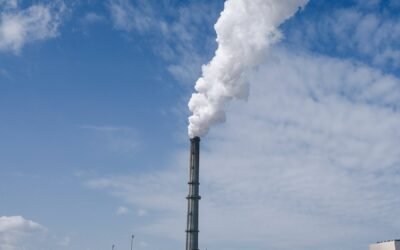
        <li><strong>Industrial Discharges:</strong> Factories and plants contribute significantly to air pollution through emissions and waste products.</li>

        <li><strong>Construction Activities:</strong> Dust and debris from construction sites can elevate particulate levels in the air.</li>

        <li><strong>Household Products:</strong> Many household cleaners and paints release volatile organic compounds (VOCs) that pollute indoor air.</li>

    </ul>
<h2>Mitigation Strategies</h2>
<p>Addressing air pollution requires concerted efforts from governments, industries, and individuals. Here are some effective strategies:</p>

    <ul>

        <li>Transitioning to public transportation, cycling, and walking over individual car usage.</li>

        <li>Encouraging the use of clean energy sources like wind, solar, and electric vehicles.</li>

        <li>Implementing stricter regulations on industrial emissions and vehicle standards.</li>

        <li>Promoting green spaces in urban planning to improve air quality.</li>

    </ul>
<h2>Conclusion</h2>
<p>The rise of air pollution in urban areas is a challenging issue that requires immediate action. By understanding its causes and consequences, we can take proactive steps to improve air quality and ensure the health and well-being of millions who live in urban environments. It starts with awareness and collective action—because everyone deserves to breathe clean air.</p>

</div>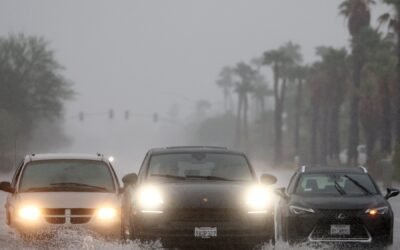

Enquire now
Give us a call or fill in the form below and we will contact you. We endeavor to answer all inquiries within 24 hours on business days.