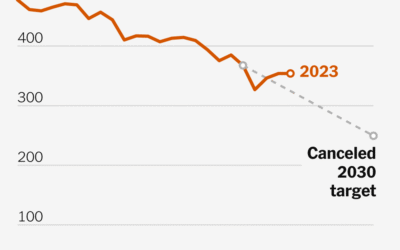
As the world continues to grapple with the effects of climate change, scientists warn that we may be teetering on the brink of a tipping point—a critical moment beyond which the consequences of global warming could become catastrophic. This article explores the indicators, potential outcomes, and actions needed to avert disaster.
Understanding the Tipping Point
The term “tipping point” refers to a threshold in a complex system, beyond which significant changes occur. In the context of climate change, it signifies irreversible shifts in the environment, such as the melting of the polar ice caps, deforestation of the Amazon rainforest, or the die-off of coral reefs. Once these ecosystems cross their tipping points, the effects can escalate rapidly, leading to severe ecological and societal consequences.
Key Indicators of an Approaching Crisis
The signs of impending catastrophe are becoming increasingly evident. For instance:
- Rising Global Temperatures: Average global temperatures have risen by approximately 1.2 degrees Celsius since the late 19th century, primarily due to human activities.
- Extreme Weather Events: Natural disasters, including hurricanes, droughts, and wildfires, have become more frequent and severe, disrupting ecosystems and communities.
- Ocean Acidification: Increased carbon dioxide levels are causing oceans to become more acidic, threatening marine life and the livelihoods of those dependent on the fishing industry.
Potential Outcomes of a Climate Tipping Point
The consequences of crossing critical thresholds can be dire:
- Sea Level Rise: The melting of ice sheets could lead to significant sea level rise, displacing millions from coastal cities.
- Food and Water Scarcity: Changes in climate will affect agricultural productivity and freshwater availability, increasing the risk of hunger and conflict.
- Loss of Biodiversity: Many species may face extinction, leading to disrupted ecosystems that provide essential services to humanity.
Actions to Prevent Catastrophe
Despite the dire warnings, all hope is not lost. There are steps that individuals, communities, and governments can take to mitigate the effects of climate change and avoid tipping points:
- Transition to Renewable Energy: Shifting from fossil fuels to renewable energy sources such as solar, wind, and hydroelectric power can significantly reduce greenhouse gas emissions.
- Protect Ecosystems: Preserving forests, coral reefs, and wetlands can help maintain biodiversity and the natural systems that regulate the climate.
- Advocate for Policy Changes: Supporting legislation aimed at reducing carbon emissions and promoting sustainable practices is crucial for systemic change.
Conclusion
As we stand on this precarious edge, the question remains: How close are we to a climate catastrophe? The answer lies largely in the actions we take today and in the coming years. By understanding the dynamics of our planet’s climate system and the potential tipping points, we can work collectively to avert disaster and secure a sustainable future for generations to come.