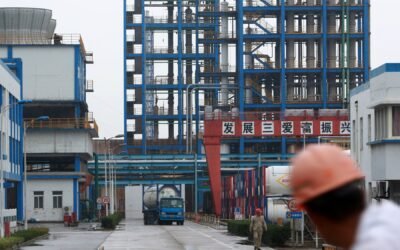
The Importance of Air Quality
Air quality plays a critical role in public health, affecting both short-term and long-term well-being. Poor air quality can lead to various respiratory and cardiovascular diseases, amongst other health issues.
Common Pollutants
Several pollutants contribute to deteriorating air quality, including:
- Particulate Matter (PM2.5 and PM10): These tiny particles can penetrate deep into the lungs and even enter the bloodstream.
- Nitrogen Dioxide (NO2): Commonly produced from vehicle emissions, this gas can irritate the lungs and decrease immunity to respiratory infections.
- Ozone (O3): Ground-level ozone is formed from chemical reactions between pollutants and sunlight, leading to respiratory problems and other health effects.
- Sulfur Dioxide (SO2): Mainly produced by industrial processes, SO2 can lead to respiratory issues and exacerbate existing health conditions.
Health Impacts of Poor Air Quality
Exposure to polluted air can lead to serious health consequences, such as:
- Respiratory Issues: Chronic conditions like asthma and chronic obstructive pulmonary disease (COPD) can be aggravated by poor air quality.
- Cardiovascular Diseases: Long-term exposure to air pollution is linked to heart attacks, strokes, and high blood pressure.
- Neurological Effects: Research indicates a potential link between air pollution and cognitive decline or neurodevelopmental disorders.
- Premature Death: According to the World Health Organization, millions of premature deaths are attributed to outdoor air pollution every year.
Vulnerable Populations
Certain groups are more vulnerable to the effects of air pollution, including:
- Children, due to their developing lungs.
- The elderly, who often have pre-existing health conditions.
- Individuals with preexisting respiratory or cardiovascular conditions.
- Low-income communities, often located near busy highways and industrial areas.
Taking Action: Reducing Exposure
While grappling with air quality issues can seem overwhelming, there are steps individuals can take to reduce exposure:
- Stay Informed: Monitor air quality indexes and limit outdoor activities on days when pollution levels are high.
- Create Clean Indoor Spaces: Use air purifiers and ensure proper ventilation to reduce indoor air pollution.
- Advocate for Clean Air Policies: Support local and national initiatives aimed at improving air quality.