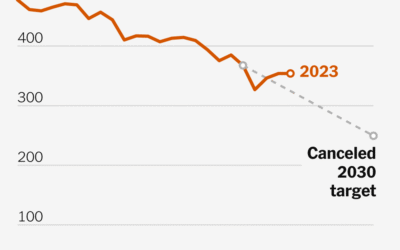
The global urgency to address climate change has led countries to prioritize carbon emissions reduction. The Carbon Countdown represents a collective effort by nations to curb their greenhouse gas emissions and meet international targets, such as those outlined in the Paris Agreement. This article explores how various nations are responding to this challenge, shedding light on strategies, innovations, and collaborations that pave the road to a sustainable future.
Understanding Carbon Emission Targets
Emission targets are quantitative goals set by countries to reduce their greenhouse gas emissions over a specified period. These targets can be legally binding or voluntary, typically measured as a percentage reduction from a baseline year, often 1990 or 2005. The primary aim is to limit global warming to 1.5 degrees Celsius above pre-industrial levels.
Global Initiatives and Agreements
- The Paris Agreement: A landmark accord adopted by nearly every nation in 2015, aiming to limit global warming and promote sustainable development.
- Global Methane Pledge: Launched in 2021, this initiative targets a 30% reduction in methane emissions by 2030, recognizing its significant role in climate change.
- NET ZERO Commitments: Many countries have pledged to achieve net-zero emissions by mid-century, signaling a shift to sustainable energy sources.
Success Stories: Nations Leading the Charge
1. Denmark
Denmark is a frontrunner in renewable energy, producing over 40% of its electricity from wind power. By 2030, the country aims to reduce greenhouse gas emissions by 70% compared to 1990 levels.
2. Costa Rica
Costa Rica has prioritized sustainability and reforestation, achieving over 99% of its energy from renewable sources. The nation aims to become carbon neutral by 2050.
3. United Kingdom
The UK has committed to reducing emissions by at least 68% by 2030 compared to 1990 levels. The transition to electric vehicles and investment in renewable energy sources demonstrate its commitment to achieving this goal.
Strategies for Emission Reduction
Nations are employing a range of strategies to meet their emission targets, including:
- Transitioning to Renewable Energy: Investing in solar, wind, and hydropower to replace fossil fuels.
- Enhancing Energy Efficiency: Implementing regulations and standards that promote energy conservation in industries and buildings.
- Carbon Pricing: Introducing taxes or trading systems to incentivize reduction in greenhouse gas emissions.
Challenges Ahead
Despite significant progress, countries face numerous challenges in achieving their emission targets:
- Political Will: Inconsistent policies and lack of political consensus can hinder progress.
- Economic Implications: Balancing economic growth with environmental responsibility is a challenge for many developing nations.
- Technological Barriers: The need for innovative technologies to support renewable energy and carbon capture remains critical.
Conclusion
The Carbon Countdown is an urgent global initiative that reflects a growing recognition of the importance of reducing carbon emissions. With diverse strategies, innovative solutions, and international cooperation, nations are setting ambitious targets to combat climate change. While challenges remain, the collective efforts observed worldwide provide hope for a sustainable future where lasting change is possible.