Introduction
Ecosystem restoration has become a crucial endeavor as we confront the effects of climate change, habitat loss, and biodiversity decline. By returning degraded lands and aquatic systems to their natural states, we can revitalize ecosystems and the communities that depend on them. This article highlights inspiring success stories that demonstrate the power of restoration.
Case Study 1: The Rebirth of the Aral Sea
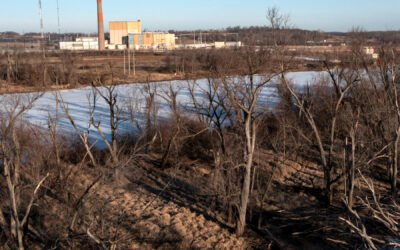
Once the fourth largest lake in the world, the Aral Sea witnessed one of the most catastrophic environmental disasters due to the diversion of rivers for agricultural purposes. In the early 2000s, initiatives were launched to restore a portion of the sea. By constructing a dam, this project successfully revived the northern part of the Aral Sea, which saw an increase in fish populations and a resurgence of local fishing communities.
Case Study 2: Coral Restoration in Belize
The Belize Barrier Reef has faced significant threats from climate change and disease affecting coral populations. The Coral Restoration Foundation, in collaboration with local communities, has implemented coral nurseries and planting programs. These efforts have restored several coral species, improved marine biodiversity, and boosted local tourism as diving spots thrive once again.
Case Study 3: The Return of the Mangroves in Sri Lanka
Following the 2004 tsunami, coastal ecosystems in Sri Lanka suffered devastating losses. However, the “Mangrove Restoration Project” aimed to re-establish mangrove forests to protect shorelines and enhance biodiversity. Since its inception, the project has led to the replanting of over 3 million mangrove trees, promoting ecosystem health and supporting fisheries while providing storm protection for coastal communities.
Case Study 4: The Recovery of the Longleaf Pine Ecosystem
The longleaf pine ecosystem in the Southeastern United States has drastically declined due to logging and land conversion. Conservation groups and government agencies have been working to restore this unique habitat through controlled burns and replanting native species. The project has not only promoted biodiversity—supporting species like the red-cockaded woodpecker—but also improved soil health and water retention.
Conclusion
These success stories illustrate that restoration is not just an environmental necessity but also an opportunity for social and economic renewal. By working together—governments, organizations, and communities—we can transform desolation into abundance, ensuring a healthier planet for future generations. The road may be challenging, but the potential rewards are immense.