Introduction
Wetlands, encompassing swamps, marshes, and mangroves, are some of the most biologically diverse ecosystems on the planet. These unique environments not only support a wide array of plant and animal life but also provide crucial services that benefit humanity. However, wetland areas are rapidly declining due to human activities, leading to an urgent need for their conservation.
The Role of Wetlands
Wetlands play a critical role in sustaining biodiversity and maintaining ecological balance. Key contributions of wetlands include:
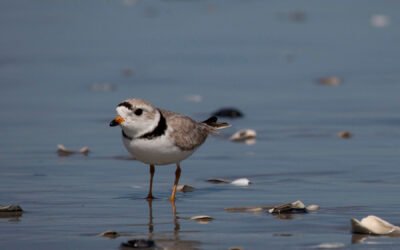
- Habitat Provision: They provide vital habitats for many species, including migratory birds, amphibians, and fish.
- Water Filtration: Wetlands naturally filter pollutants from water, improving water quality.
- Climate Regulation: They act as carbon sinks, helping to combat climate change by storing carbon dioxide.
- Flood Control: Wetlands absorb excess rainwater, reducing the risk of flooding in surrounding areas.
Threats to Wetlands
Despite their importance, wetlands face numerous threats:
- Urban Development: Expanding cities often encroach on wetlands, leading to habitat loss.
- Agricultural Practices: Pesticides and fertilizers from farming can pollute wetland ecosystems.
- Climate Change: Rising sea levels and changing precipitation patterns can alter wetland dynamics.
- Invasive Species: Non-native species can outcompete local flora and fauna, disrupting ecosystems.
Conservation Efforts
Ensuring the conservation of wetlands requires a concerted effort from local communities, governments, and international organizations. Steps that can be taken include:
- Protected Areas: Establishing reserves and protected areas to safeguard wetlands from development.
- Restoration Projects: Actively restoring degraded wetlands to their natural state.
- Public Awareness: Educating the public about the importance of wetland conservation and sustainable practices.
- International Agreements: Participating in global treaties, such as the Ramsar Convention, to promote wetland protection.
Conclusion
Wetlands are invaluable resources that offer numerous ecological, economic, and social benefits. Preserving these areas is not only vital for wildlife but also for human well-being. As we face mounting environmental challenges, prioritizing wetland conservation will be essential for creating a sustainable future. By taking collective action, we can protect these critical ecosystems for generations to come.