Introduction
Air pollution is one of the most pressing environmental concerns today, particularly affecting vulnerable populations such as children. With their developing bodies and immune systems, children are uniquely susceptible to the harmful effects of pollutants in the air.
<h2>Understanding Air Pollution</h2>

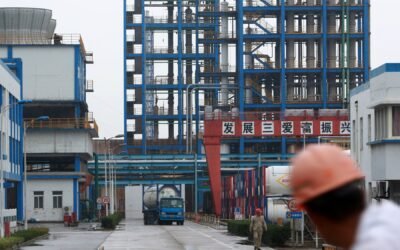
<p>Air pollution consists of various harmful substances, including particulate matter (PM), nitrogen dioxide (NO2), sulfur dioxide (SO2), and ozone (O3). These pollutants can originate from several sources, such as vehicle emissions, industrial activity, and natural phenomena like wildfires.</p>
<h2>Health Risks for Children</h2>

<p>The long-term exposure to air pollution has been linked to several adverse health outcomes in children. Some of the most concerning effects include:</p>
<h3>1. Respiratory Issues</h3>

<p>Children living in polluted environments are at an increased risk of developing respiratory conditions such as asthma, bronchitis, and chronic obstructive pulmonary disease (COPD). Studies suggest that exposure during early development can lead to reduced lung function in later life.</p>
<h3>2. Neurological Effects</h3>

<p>Recent research indicates that air pollution might have long-lasting effects on cognitive development. Children exposed to high levels of pollutants may experience difficulties with attention, memory, and intelligence, which can impact their academic performance.</p>
<h3>3. Cardiovascular Health</h3>

<p>Although heart diseases are often associated with adults, children are not immune. Long-term exposure to air pollution can lead to the early onset of cardiovascular diseases in children, with potential risks extending into adolescence and adulthood.</p>
<h2>Protective Measures</h2>

<p>To mitigate the impact of air pollution on children's health, several measures can be taken:</p>

<ul>

    <li><strong>Policy Advocacy:</strong> Support legislation aimed at reducing emissions from vehicles and industrial sources.</li>

    <li><strong>Indoor Air Quality:</strong> Ensure proper ventilation and use air purifiers in homes and schools to reduce indoor pollution levels.</li>

    <li><strong>Public Awareness:</strong> Educate families about the risks of air pollution, promoting actions they can take to protect their children's health.</li>

</ul>
<h2>Conclusion</h2>

<p>The long-term effects of air pollution on children's health can be severe, affecting their respiratory, neurological, and cardiovascular systems. It is crucial to prioritize clean air initiatives and educate communities to safeguard the health of future generations.</p>