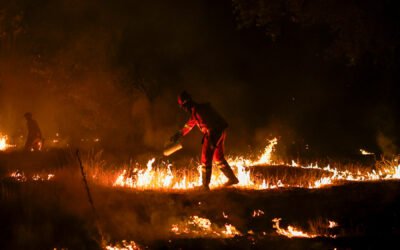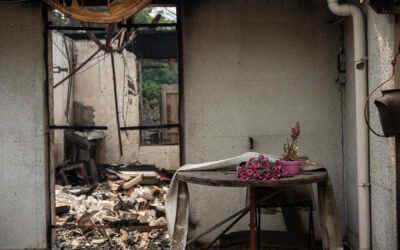
Desertification is one of the most pressing environmental issues of our time, affecting millions of people worldwide. It is characterized by the degradation of land in arid and semi-arid areas, largely due to human activities and climatic variations. The consequences of desertification extend beyond the environmental realm, deeply impacting the livelihoods and well-being of communities, particularly in vulnerable regions.
The Dynamics of Desertification
Desertification is driven by several factors, including deforestation, unsustainable agricultural practices, overgrazing, and climate change. These practices lead to soil degradation, losing vital nutrients necessary for crop production. As productive land becomes increasingly scarce, communities reliant on agriculture for their survival face dire consequences.
Displacement: A Growing Concern
One of the most alarming consequences of desertification is the forced displacement of communities. As arable land depletes, families are often compelled to migrate in search of better living conditions, leading to rural exodus and, in some instances, cross-border migration. The United Nations estimates that by 2050, climate change could displace over 140 million people globally.
The Psychological Impact
Displacement caused by desertification not only disrupts livelihoods but also affects the mental health of individuals. The trauma of losing one’s home, community, and the insecurity of starting anew can have lasting psychological effects that hinder the recovery process.
Food Security Under Threat
Food security is intricately linked to land productivity. As desertification progresses, the ability to cultivate food diminishes, leading to increased food prices and scarcity. Studies show that regions experiencing severe land degradation see a direct correlation to rising hunger and malnutrition rates. This cycle of food insecurity further exacerbates the problems associated with displacement, forcing people to migrate to urban areas where they may face additional challenges such as lack of resources and inadequate infrastructure.
Communities at Risk
Indigenous and rural communities, particularly in Africa and Asia, are disproportionately affected by desertification. With a profound dependence on their land for subsistence, these populations experience the harsh realities of environmental degradation more acutely. Efforts to combat desertification must take into account the social dynamics and cultural ties these communities have with their land.
Mitigation Strategies
Addressing the human cost of desertification requires concerted efforts at multiple levels. Effective strategies include:
- Sustainable agricultural practices: Implementing crop rotation, agroforestry, and organic farming can enhance soil health.
- Reforestation and afforestation: Restoring vegetation can improve soil stability and reduce erosion.
- Community engagement: Involving local populations in decision-making ensures that solutions are culturally appropriate and more likely to succeed.
- Policy interventions: Governments and organizations must create policies that support sustainable land use and provide assistance to displaced populations.
Conclusion
Desertification is not merely an environmental issue; it is a human crisis that affects food security, health, and social stability. As the world grapples with the impacts of climate change, addressing desertification through concerted global efforts is imperative. Recognizing the interconnectedness of environmental health and human well-being is crucial in creating sustainable solutions to ensure a secure future for all.