Introduction
The Green Revolution of the mid-20th century marked a pivotal transformation in agricultural practices and policies worldwide. Initiated in the 1940s and extending into the late 1960s, it was characterized by the introduction of high-yielding variety (HYV) seeds, chemical fertilizers, pesticides, and advanced irrigation techniques. This article explores how the Green Revolution influenced global agricultural policies and reshaped the landscape of food production.
The Birth of the Green Revolution
The term “Green Revolution” was popularized by Dr. Norman Borlaug, whose research in developing disease-resistant wheat varieties significantly increased crop yields in various countries, particularly in Mexico and India. His work laid the groundwork for adopting similar methods across the globe, aiming to combat hunger and malnutrition.
Impact on Global Agricultural Policies
1. Emphasis on Technological Innovation
The Green Revolution prompted governments to invest heavily in agricultural research and development. Policymakers recognized that technological innovation was essential to improving food security and began to allocate resources towards scientific inquiry into crop production.
2. Shift in Farming Practices
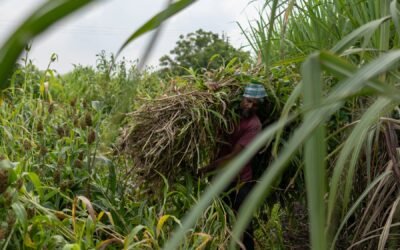
Traditional farming methods were transformed as the focus shifted from subsistence agriculture to more commercial farming approaches. This change influenced policies that favored large-scale monoculture production, often at the expense of biodiversity.
3. Food Security and Self-Sufficiency
Countries striving for self-sufficiency in food production restructured their agricultural policies to prioritize the domestic production of staple crops. India, for example, adopted policies that supported the cultivation of wheat and rice to ensure its population’s nutritional needs.
4. Economic Development and Trade Policies
As agricultural productivity surged, many countries began to experience economic growth derived from the agricultural sector. This encouraged governments to re-evaluate trade policies, fostering a global market for agricultural products and export opportunities.
Challenges and Critiques
Despite the successes attributed to the Green Revolution, it has faced significant criticism. Environmental degradation, the reliance on chemical inputs, and socio-economic disparities among farmers are pressing issues. Many argue that the benefits of higher yields often favored wealthier farmers, marginalizing smallholders.
The Legacy of the Green Revolution
The Green Revolution’s influence on global agricultural policies is undeniable. It set the stage for modern agricultural practices and continues to inform policy decisions today. However, it has also ushered in an era of reflection on sustainable practices, prompting ongoing debates about food security, environmental health, and equitable resource distribution.