How City Growth Affects Rural Landscapes
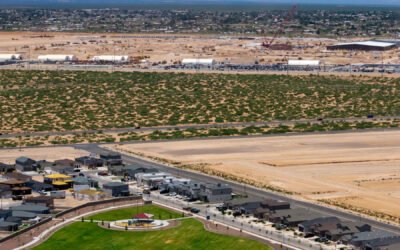
Urbanization is a global trend characterized by the increasing number of people living in urban areas as cities expand. This phenomenon has profound implications not only for urban environments but also for rural landscapes, particularly in terms of desertification.
Understanding Urbanization
Urbanization is often seen as a catalyst for economic growth, providing opportunities for employment, education, and improved living standards. However, as cities grow, they exert pressure on surrounding rural areas, leading to significant landscape transformations.
The Process of Desertification
Desertification refers to the degradation of land in arid, semi-arid, and dry sub-humid areas resulting from various factors, including climate change and human activities. Urbanization can accelerate desertification through several processes:
- Land Conversion: Urban development often involves converting fertile agricultural land into urban spaces, which diminishes the land’s productivity.
- Water Resource Overuse: Cities consume vast amounts of water, leading to lowered water tables and soil degradation in surrounding rural areas.
- Pollution: Increased pollution from urban waste can contaminate nearby water sources and soils, further impairing agricultural productivity.
- Deforestation: Expanding urban areas can lead to deforestation, which disrupts local ecosystems and reduces the land’s ability to retain moisture.
Socioeconomic Impacts
The impacts of desertification driven by urbanization extend beyond environmental degradation; they also encompass socioeconomic challenges:
- Food Insecurity: As agricultural land diminishes, rural communities face food shortages, leading to higher vulnerability.
- Migration Pressure: Rural populations may be forced to migrate to urban areas in search of better livelihoods, leading to overcrowding and increased stress on urban resources.
- Cultural Shifts: The displacement of rural communities can result in the loss of cultural practices, traditions, and knowledge related to land management.
Mitigation Strategies
Addressing the dual challenges of urbanization and desertification necessitates a multi-faceted approach:
- Sustainable Urban Planning: Urban development should consider environmental impacts and aim to preserve surrounding rural land.
- Reforestation Initiatives: Planting trees and restoring natural habitats can enhance soil health and combat desertification.
- Water Conservation Practices: Implementing efficient irrigation and water management systems in both urban and rural areas can help maintain water supplies.
- Community Education: Raising awareness about sustainable practices can empower rural communities to improve land management and resist desertification.
Conclusion
Urbanization and desertification are intricately linked, with city growth exerting considerable influence on rural landscapes. By acknowledging and addressing these interconnected challenges, society can foster more sustainable urban and rural environments, ensuring resilience for future generations.