Introduction
Green buildings are designed to minimize environmental impact while maximizing occupant health and well-being. They leverage sustainable materials, energy-efficient systems, and innovative technologies to create spaces that are both functional and eco-friendly. In this article, we explore the key features that make green buildings not just beneficial for the environment, but also advantageous for the people who use them.
1. Energy Efficiency
One of the primary characteristics of a green building is its focus on energy efficiency. This is achieved through:
- High-Performance Insulation: Reduces energy consumption by maintaining interior temperatures.
- Efficient HVAC Systems: Utilizing advanced heating, ventilation, and air conditioning systems minimizes energy loss.
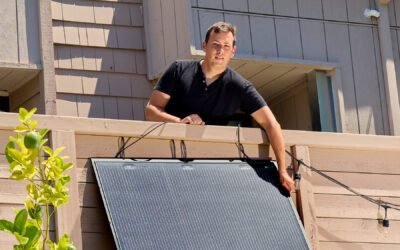
- Renewable Energy Sources: Integration of solar panels, wind turbines, or geothermal systems to generate energy on-site.
2. Water Conservation
Effective water management is crucial in green buildings:
- Low-Flow Fixtures: Using water-efficient faucets, toilets, and showerheads reduces water usage.
- Rainwater Harvesting: Collecting and reusing rainwater for irrigation and flushing toilets.
- Landscaping with Native Plants: Minimizing the need for irrigation by using plants that thrive in the local climate.
3. Sustainable Materials
Green buildings prioritize the use of sustainable materials that are:
- Recycled: Using reclaimed materials and products that reduce waste.
- Locally Sourced: Supporting local economies and reducing transportation emissions.
- Non-Toxic: Avoiding harmful substances to improve indoor air quality and tenant health.
4. Indoor Environmental Quality
Creating a healthy indoor environment is vital:
- Natural Light: Maximizing window placement increases daylight exposure, improving mood and productivity.
- Air Quality Management: Implementing effective ventilation systems maintains clean indoor air.
- Noise Control: Soundproofing materials enhance comfort and privacy.
5. Smart Building Technology
Integrating technology into green buildings enhances operational efficiency:
- Building Automation Systems: Monitor and control energy usage, lighting, and HVAC operations.
- Smart Meters: Provide real-time feedback on energy consumption, helping to reduce waste.
- Mobile Apps: Allow users to manage their environment, promoting energy savings and comfort.
Conclusion
Green buildings are not just environmentally sound; they also prioritize the health and well-being of their occupants. By focusing on energy efficiency, water conservation, sustainable materials, indoor environmental quality, and smart technology, these structures stand as beacons of innovation in modern architecture. As awareness about sustainability grows, the adoption of green building practices will continue to shape the future of construction and design.