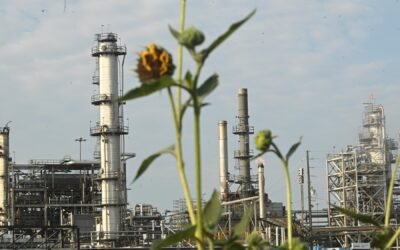
The Importance of Clean Air Legislation
Clean air is essential for a healthy life and environment. Air pollution is linked to a range of health issues, including respiratory diseases, cardiovascular problems, and even premature death. Effective legislation is critical to ensuring that air quality is monitored and improved to protect public health.
Key Policies That Make a Difference
1. National Ambient Air Quality Standards (NAAQS)
Implemented by the U.S. Environmental Protection Agency (EPA), the NAAQS sets limits on specific pollutants, such as lead, ozone, and particulate matter. These standards are crucial in maintaining air quality and protecting vulnerable populations.
2. Clean Air Act Amendments
Continuously updated, the Clean Air Act allows for more stringent regulations on emissions from industrial sources and vehicles. Notable amendments include those that tackle acid rain, toxic air pollutants, and more aggressive greenhouse gas limits.
3. Vehicle Emissions Standards
Setting strict emissions standards for cars, trucks, and buses significantly reduces harmful pollutants released into the atmosphere. Policies such as the Corporate Average Fuel Economy (CAFE) standards promote fuel efficiency and lower emissions.
4. Renewable Energy Incentives
Encouraging renewable energy sources such as wind, solar, and hydroelectric power has a significant impact on reducing air pollution. Legislative incentives can make these alternatives more economically viable, lessening reliance on fossil fuels.
5. Urban Planning and Green Spaces
Policies promoting urban green spaces can improve air quality. Trees and vegetation naturally filter pollutants and provide cleaner air. Smart urban planning also reduces transportation-related emissions by promoting walking and cycling.
Challenges and Opportunities
Despite the progress made, challenges remain in the enforcement of air quality regulations and achieving equitable air quality in underserved communities. Engaging stakeholders, including citizens, communities, and industries, is essential in shaping robust clean air policies that are fair and effective.
Conclusion
Legislating clean air is critical for public health and environmental sustainability. By implementing effective policies, we can ensure a healthier future for all. Continued advocacy, innovation, and commitment to air quality will make significant strides in protecting our air for generations to come.