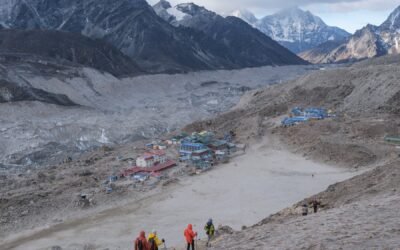
As the planet’s ecosystems face unprecedented challenges, the urgency for biodiversity conservation has never been greater. Wildlife and wilderness areas are not only vital for maintaining ecological balance but also for supporting human life. Understanding the importance of these natural components is crucial for our collective future.
The Importance of Biodiversity
Biodiversity refers to the variety of life on Earth, encompassing ecosystems, species, and genetic diversity. It plays several essential roles:
- Ecological Balance: Biodiverse ecosystems are more resilient to changes and can better withstand environmental stresses.
- Human Health: Many medicines are derived from wild species, and maintaining biodiversity is crucial for the discovery of new therapeutic compounds.
- Food Security: Diverse genetic varieties of crops provide a buffer against pests and diseases, ensuring food supply sustainability.
- Cultural Significance: Many cultures and communities are closely tied to their natural environments, relying on wildlife for their traditions, spirituality, and livelihoods.
Threats to Wildlife and Wilderness
Despite its significance, biodiversity is under severe threat from human activities, including:
- Habitat Destruction: Urbanization, agriculture, and deforestation lead to the degradation of natural habitats.
- Pollution: Chemicals and waste can contaminate ecosystems, harming species and disrupting food chains.
- Climate Change: Rising temperatures and changing weather patterns have immediate repercussions on wildlife survival and habitat conditions.
- Overexploitation: Unsustainable hunting, fishing, and gathering practices deplete species faster than they can regenerate.
Strategies for Conservation
To combat the decline of biodiversity, a multi-faceted approach is required:
- Protected Areas: Establishing national parks, reserves, and wildlife sanctuaries helps safeguard critical habitats.
- Sustainable Practices: Promoting sustainable agriculture, forestry, and fishing methods can reduce human impact on ecosystems.
- Community Involvement: Engaging local communities in conservation efforts ensures that initiatives are culturally relevant and effective.
- Legislation: Enforcing environmental protection laws and international agreements can mitigate threats to biodiversity.
The Role of Individuals
Every individual has a role to play in biodiversity conservation. Here are simple steps anyone can take:
- Support conservation organizations that work to protect species and habitats.
- Reduce waste and consumption to lessen your ecological footprint.
- Educate others about the importance of biodiversity and how they can help.
- Choose sustainable products and services to foster economic incentives for conservation.
Conclusion
The urgency for biodiversity conservation cannot be overstated. As stewards of the Earth, we have a responsibility to protect the natural world for future generations. By combining efforts at local, national, and global levels, and fostering a culture of respect for all living things, we can preserve the rich tapestry of life that sustains us and the planet.