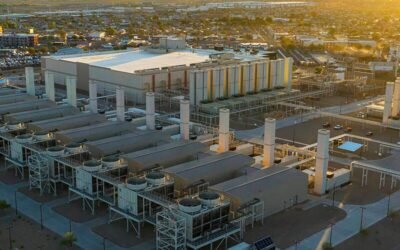
As the world grapples with the impacts of climate change and energy consumption, innovative technologies are shaping a sustainable energy landscape. Among these technologies, smart grids and solar panels are at the forefront, promising to revolutionize how we generate, distribute, and consume energy.
What are Smart Grids?
Smart grids are modern electrical grids that use digital technology to monitor and manage the transport of electricity from all generation sources to meet the varying electricity demands of end users. They enable two-way communication between utility companies and their customers.
Key Features of Smart Grids
- Improved Reliability: Real-time monitoring helps identify and mitigate outages quickly.
- Enhanced Efficiency: Smart grids optimize energy distribution, reducing waste and operational costs.
- Integration of Renewable Energy Sources: They allow for the integration of renewable resources like solar and wind energy, facilitating a transition to greener systems.
- Consumer Participation: Customers have more control over their energy usage and costs through smart meters and devices.
The Role of Solar Panels
Solar panels convert sunlight directly into electricity through photovoltaic cells. As one of the most promising renewable energy sources, solar energy is integral to reducing greenhouse gas emissions and combating climate change.
Benefits of Solar Panels
- Clean and Renewable: Solar energy is abundant and reduces reliance on fossil fuels.
- Cost Savings: While the initial investment can be high, solar panels lead to significant long-term savings on electricity bills.
- Low Maintenance: Solar panels require minimal maintenance once installed, making them a practical choice for homeowners and businesses alike.
Synergy between Smart Grids and Solar Energy
The integration of smart grids and solar panels creates a powerful synergy that enhances the overall efficiency of energy systems. Smart grids can manage the fluctuating supply and demand generated by solar energy systems, which can vary based on factors like time of day and weather conditions.
Benefits of Integration
- Decentralized Energy Generation: Homeowners can generate their own electricity and even sell excess energy back to the grid.
- Grid Stability: Smart grids can adjust to the variable output of solar panels, maintaining a stable electricity flow.
- Lower Carbon Footprint: This combination reduces reliance on fossil fuels, supporting a cleaner and more sustainable energy future.
Conclusion
Smart grids and solar panels represent a transformative approach to energy production and distribution. By embracing these technologies, we take significant strides toward a cleaner, more sustainable world. As communities, companies, and governments invest in this dual approach, the dream of a clean energy future can become a reality.