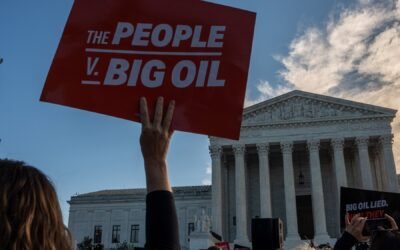
As the global community grapples with the ongoing challenges posed by climate change, the shift towards renewable energy sources has never been more crucial. Legislative changes across various countries are set to significantly impact the future of green energy, shaping policies that encourage sustainable practices and foster innovation within the renewable resources sector.
Understanding the Legislative Landscape
Government regulations and policies play a pivotal role in the development and implementation of renewable energy solutions. Recent years have seen a shift in focus towards cleaner energy alternatives, largely influenced by public sentiment and international commitments like the Paris Agreement.
Key Legislative Changes
- Incentives for Renewable Energy Development: Many governments are introducing tax credits and subsidies to reduce the financial burden on businesses and consumers investing in renewable technologies. These incentives aim to accelerate the transition from fossil fuels.
- Corporate Sustainability Mandates: New laws are being passed that require corporations to disclose their carbon footprints and sustainability efforts. This transparency pressures companies to adopt greener practices, fostering an environment conducive to renewable energy growth.
- Emissions Targets: Countries are setting ambitious emissions reduction targets, creating a demand for cleaner energy solutions. Legislative frameworks are being established to monitor progress and penalize non-compliance.
- Investment in Research and Development: Governments are allocating funds to foster innovation in renewable technologies. This investment supports research into better energy storage solutions, more efficient solar panels, and advanced wind turbine designs.
Global Examples of Green Legislation
Countries around the world are enacting progressive legislation that supports a sustainable energy future:
European Union
The EU’s Green Deal aims to make Europe the first climate-neutral continent by 2050. This ambitious plan includes regulatory frameworks to boost renewable energy sources and reduce greenhouse gas emissions.
United States
The Biden Administration has introduced the Build Back Better Act, which includes significant investments in renewable energy infrastructure, aiming to create millions of jobs in green technologies.
The Role of Public Opinion
Public support for green energy policies has surged in recent years. As awareness of climate issues grows, citizens are pushing their governments to prioritize sustainable energy solutions. This shift in public sentiment is instrumental in driving legislative change and ensuring a collective commitment to a greener future.
Conclusion
The future of green energy lies in the hands of policymakers, businesses, and consumers alike. Legislative changes are setting the stage for a sustainable energy revolution that has the potential to combat climate change and create a healthier planet. As we move forward, continued advocacy and awareness will be essential in maintaining momentum towards a greener future.