Biodiversity is the foundation of ecosystem services, which provide the essential resources that sustain human life and well-being. As global challenges such as climate change and habitat destruction threaten biodiversity, it is crucial to explore diverse approaches to conservation. One vital perspective is indigenous knowledge, which offers unique insights into sustainable practices and environmental stewardship.
Understanding Indigenous Knowledge
Indigenous knowledge refers to the understanding and wisdom developed by indigenous communities over centuries, adapted to their local environments. This knowledge encompasses various aspects, including:
- Traditional ecological knowledge (TEK)
- Cultural practices associated with land management
- Spiritual beliefs that influence conservation efforts
- Community-led governance and resource management systems
Contributions to Biodiversity Conservation
Indigenous knowledge systems offer several benefits to biodiversity conservation, including:
- Holistic Perspectives: Indigenous communities view nature as interconnected, promoting a holistic approach to conservation.
- Sustainable Practices: Many traditional practices have proven effective in sustaining ecosystems, such as rotational grazing and agroforestry.
- Cultural Significance: The cultural ties indigenous peoples have with their land foster a deep commitment to preserving biodiversity.
- Adaptive Management: Indigenous knowledge is inherently adaptive, allowing communities to respond to environmental changes and challenges.
Case Studies in Action
Several initiatives around the world illustrate the successful integration of indigenous knowledge in biodiversity conservation:
The Inuit and Arctic Conservation
The Inuit in Canada use traditional knowledge to monitor changes in the Arctic ecosystem, particularly concerning climate change impacts on marine life. Their observations have helped scientists understand shifts in species distribution and inform conservation strategies.
The Amazonian Tribes and Forest Management
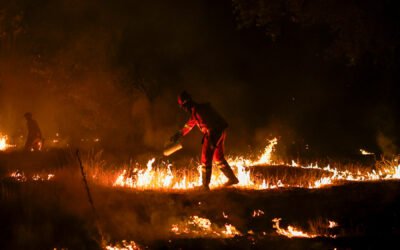
In the Amazon rainforest, indigenous tribes employ traditional fire management techniques to sustainably harvest resources while maintaining biodiversity. Their knowledge of the forest’s ecology helps balance the needs of both their communities and the environment.
Challenges and Opportunities
Despite the significant contributions of indigenous knowledge to biodiversity conservation, several challenges persist:
- Marginalization: Indigenous communities often face marginalization in policy-making processes.
- Loss of Knowledge: Direct assaults on indigenous lifestyles, such as land encroachment and assimilation policies, threaten traditional knowledge systems.
- Integration into Mainstream Science: Collaboration between indigenous knowledge holders and scientific communities is often fraught with challenges in communication and respect.
Conclusion
Incorporating indigenous knowledge into biodiversity conservation strategies is not only beneficial but necessary for achieving sustainable outcomes. Recognizing and respecting the cultural perspectives of indigenous peoples can enhance global efforts in conserving biodiversity. By valuing indigenous wisdom, societies can foster collaborative approaches that protect our planet’s precious ecosystems.