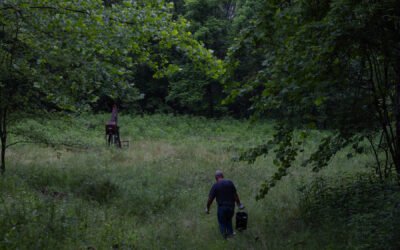
In recent years, the practice of forest bathing, or “Shinrin-yoku,” has gained popularity as a therapeutic approach to improving mental health. Originating in Japan in the 1980s, this practice encourages individuals to immerse themselves in the natural environment, engaging all five senses to promote relaxation and well-being. But beyond the immediate benefits of spending time in nature, reforestation efforts also play a crucial role in enhancing mental health.
The Therapeutic Benefits of Forest Bathing
Forest bathing involves slow, mindful walking through a forest, allowing individuals to disconnect from technology and reconnect with their surroundings. Research has shown that this practice can lead to decreased stress, reduced anxiety, and improved mood. Exposure to natural environments is linked to lower cortisol levels, the hormone responsible for stress, and increased feelings of happiness and tranquility.
Reforestation’s Role in Mental Health
Reforestation, the process of replanting trees in areas that have been deforested, has far-reaching benefits for both the environment and human health. Here’s how reforestation supports mental well-being:
- Increased Access to Green Spaces: As trees are reintroduced into urban and rural landscapes, communities gain access to green spaces. These areas provide opportunities for individuals to engage in forest bathing, leading to enhanced mental health.
- Improved Air Quality: Trees absorb pollutants and release oxygen, contributing to better air quality. Cleaner air can lead to fewer respiratory issues and overall better health, contributing positively to mental well-being.
- Reduction of Urban Heat: Forests act as natural air conditioners, helping to moderate temperatures. A cooler, more comfortable environment can lead to reduced stress and promote outdoor activities.
- Connection to Nature: Reforestation fosters a sense of community and connection to the environment. When people participate in tree-planting activities, they cultivate a bond with nature that can be profoundly calming and restorative.
How You Can Get Involved
Getting involved in reforestation can be as simple as participating in local tree-planting events or supporting organizations that focus on environmental restoration. Additionally, advocating for policies that protect existing forests can ensure that these natural resources remain available for future generations.
Conclusion
Forest bathing and reforestation are inextricably linked in their potential to enhance mental health. By embracing the natural world and supporting efforts to restore our forests, we can not only improve our own well-being but also contribute to a healthier planet. So, take a moment, step outside, and immerse yourself in the healing embrace of nature.