<h2>Introduction</h2>

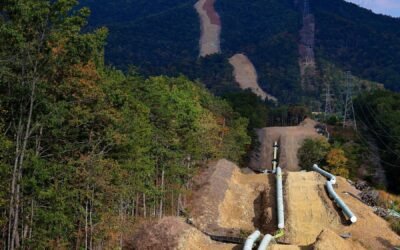
<p>Deforestation has emerged as one of the most pressing environmental issues of the 21st century. As forests are cleared for agriculture, urbanization, and infrastructure, the delicate balance of ecosystems is disrupted. This article explores the ramifications of deforestation on wildlife and the implications for biodiversity.</p>
<h2>The Role of Forests in Ecosystems</h2>

<p>Forests are often referred to as the "lungs of the Earth," playing a critical role in carbon dioxide absorption and providing habitat for countless species. They offer shelter, food, and breeding grounds for various wildlife populations. In regions where deforestation occurs, wildlife is forced to confront the loss of their natural habitats.</p>
<h3>Habitat Destruction</h3>

<p>One of the most immediate effects of deforestation is habitat destruction. Animals that once thrived in lush, dense forests are displaced, leading to a showdown between survival and extinction. Species like orangutans, tigers, and various bird species are particularly vulnerable.</p>
<h3>Fragmentation of Populations</h3>

<p>As forests are fragmented, populations of wildlife become isolated from one another. This separation can hinder gene flow and reduce genetic diversity, making species more susceptible to diseases and less adaptable to environmental changes.</p>
<h2>Shifts in Ecosystem Dynamics</h2>

<p>The fallout from deforestation extends beyond just the immediate loss of wildlife. Ecosystems are interconnected, and the removal of one species can have a ripple effect throughout the food chain. For example, the decline of pollinators can impact plant reproduction, affecting herbivores and the predators that rely on them.</p>
<h3>Invasive Species</h3>

<p>Deforestation can create opportunities for invasive species to take hold, further threatening native wildlife. As the natural balance is upset, invasive species can outcompete local flora and fauna, leading to further declines in biodiversity.</p>
<h2>The Global Consequences</h2>

<p>Deforestation is not only a local issue—it has global repercussions. With the loss of forests, we see increased carbon emissions, contributing to climate change. This, in turn, affects weather patterns, sea levels, and the livelihoods of people across the globe.</p>
<h2>Conservation Strategies</h2>

<p>To combat the negative effects of deforestation, various conservation strategies have been proposed, including:</p>

<ul>

    <li><strong>Protected areas:</strong> Establishing national parks and wildlife reserves to safeguard critical habitats.</li>

    <li><strong>Sustainable forestry:</strong> Implementing practices that allow for the harvesting of timber without compromising the ecosystem.</li>

    <li><strong>Reforestation:</strong> Planting trees in deforested areas to restore the lost habitat.</li>

    <li><strong>Community engagement:</strong> Involving local communities in conservation efforts to create sustainable economic alternatives.</li>

</ul>
<h2>Conclusion</h2>

<p>While deforestation presents a complex challenge, understanding its consequences allows us to implement effective conservation strategies. The choice between savanna and sanctuary rests on our commitment to preserving the intricate web of life that forests sustain. The time to act is now, not just for the sake of wildlife, but for the future of our planet.</p>