The Climate Crisis
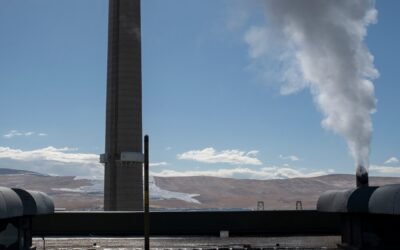
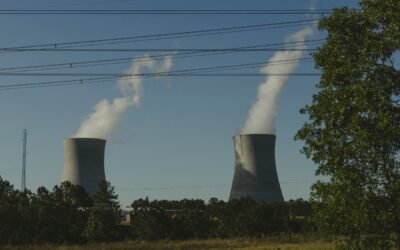
The effects of climate change are becoming increasingly evident. Rising global temperatures, severe weather events, and melting ice caps threaten ecosystems, economies, and human health. As fossil fuel reserves dwindle and their environmental costs become more apparent, the transition to renewable energy sources emerges as a crucial objective.
What is Renewable Energy?
Renewable energy is derived from natural processes that are replenished at a higher rate than they are consumed. This includes solar, wind, hydroelectric, geothermal, and biomass energy. Unlike fossil fuels, renewable energy sources produce little to no greenhouse gas emissions during operation, making them a sustainable alternative.
The Benefits of Renewable Energy
- Reduction in Greenhouse Gas Emissions: Adopting renewable energy can significantly lower carbon emissions, a major contributor to climate change.
- Energy Independence: Renewable sources reduce reliance on imported fuels, enhancing national security and economic stability.
- Job Creation: The renewable energy sector is rapidly growing; investing in this sector can create numerous job opportunities across various fields.
- Cost Efficiency: Over time, renewable energy sources can lead to lower energy bills and less volatility in energy prices.
Success Stories
Countries like Denmark and Germany have set ambitious renewable energy targets. Denmark aims to produce 100% of its energy from renewable sources by 2050, largely through wind power. Germany’s “Energiewende” strategy focuses on transitioning to sustainable energy while reducing emissions, showcasing a robust model for others to follow.
Challenges Ahead
While the potential for renewable energy is vast, several challenges remain. These include technological limitations, funding for infrastructure development, and the need for supportive policies and regulations. Overcoming these obstacles will require collaboration between governments, industries, and communities.
The Role of Individuals
Individuals can also make a difference in this transition. Simple actions such as reducing energy consumption, supporting renewable energy initiatives, or even installing solar panels can contribute to the larger goal of combating climate change. Every effort counts in creating a sustainable future.