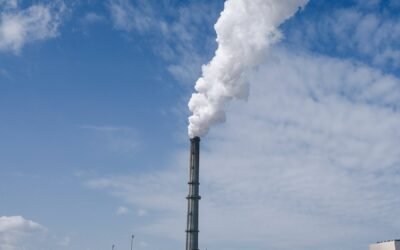
Understanding Global Warming
Global warming refers to the long-term increase in Earth’s average surface temperature due to human activities, primarily the burning of fossil fuels. This has led to increased levels of greenhouse gases (GHGs) in the atmosphere, which trap heat and cause climate change.
The Role of Renewable Resources
Renewable resources are energy sources that are replenished naturally and include solar, wind, hydroelectric, geothermal, and biomass energy. By transitioning to these sustainable energy sources, we can significantly reduce GHG emissions and mitigate the effects of global warming.
1. Solar Energy
Solar panels convert sunlight directly into electricity. Utilizing solar energy can reduce dependence on fossil fuels, lower electricity costs, and decrease carbon emissions.
2. Wind Energy
Wind energy harnesses the power of wind to generate electricity through wind turbines. It is one of the fastest-growing energy sources and has a minimal carbon footprint.
3. Hydroelectric Energy
Hydroelectric power is generated by harnessing the energy of flowing water. This form of energy is efficient and produces no air pollutants, helping to combat climate change effectively.
4. Geothermal Energy
Geothermal energy utilizes heat from beneath the Earth’s surface for electricity generation and direct heating applications. It is a stable and reliable source of energy with low emissions.
5. Biomass Energy
Biomass energy is derived from organic materials. While it is renewable, its sustainability depends on responsible harvesting practices and efficient use of resources.
The Benefits of Renewable Resources
- Reduced Greenhouse Gas Emissions: Switching to renewable energy sources can significantly lower GHG emissions, contributing to cleaner air and a healthier environment.
- Energy Independence: Renewables reduce reliance on imported fuels, promoting energy security and stability.
- Job Creation: The renewable energy sector is labor-intensive, creating jobs in installation, maintenance, and technological innovation.
- Sustainability: Renewable resources are inexhaustible when managed properly, ensuring energy availability for future generations.
Conclusion
Combatting global warming requires immediate and concerted efforts. Investing in renewable resources is a crucial step toward a sustainable future. By embracing clean energy technologies, we not only address the climate crisis but also foster economic growth and improve public health.