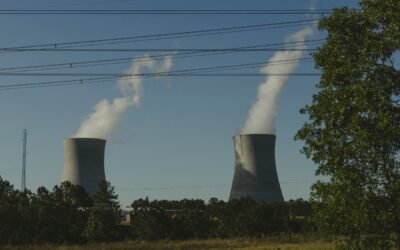
Understanding the importance of collaborative efforts in the fight against climate change.
<article>
<section>
<h2>Introduction</h2>
<p>Global warming is one of the most pressing challenges of our time. As average temperatures rise and extreme weather events become more frequent, the need for urgent action has never been clearer. Tackling this issue demands more than just local solutions; it requires a coordinated international response to effectively address the complexities of climate change.</p>
</section>
<section>
<h2>The Role of International Agreements</h2>
<p>International agreements, such as the Paris Agreement, serve as critical frameworks for cooperation among nations. These agreements aim to limit global temperature increases and promote sustainability through collective commitments. By setting shared goals, countries can hold one another accountable and work towards common objectives, fostering trust and collaboration.</p>
</section>
<section>
<h2>Sharing Knowledge and Technology</h2>
<p>One of the most significant benefits of international cooperation is the ability to share knowledge and technology. Wealthier nations can assist developing countries by providing access to advanced technologies and funding for sustainable development projects. This transfer of knowledge can help nations leapfrog to cleaner technologies, ensuring a more equitable and effective approach to climate change mitigation.</p>
</section>
<section>
<h2>Building a Global Network</h2>
<p>International cooperation also facilitates the establishment of a global network of researchers, policy-makers, and activists. This network can accelerate the exchange of ideas and best practices, enabling countries to learn from one another’s successes and failures. Collaborative research initiatives can lead to innovative solutions that address climate change from multiple perspectives.</p>
</section>
<section>
<h2>Challenges to Cooperation</h2>
<p>Despite the recognized need for collaboration, various challenges hinder international cooperation. National interests, political tensions, and economic disparities can create barriers that complicate negotiation processes. Overcoming these obstacles requires a commitment to dialogue, compromise, and a shared vision for the future of our planet.</p>
</section>
<section>
<h2>Conclusion</h2>
<p>International cooperation is essential for effectively tackling global warming. By participating in global agreements, sharing technology, and building collaborative networks, we can work together to mitigate climate change and create a sustainable future. It is only through collective action that we can hope to secure the well-being of future generations.</p>
</section>
</article>
<footer>
<p>© 2023 International Climate Action. All rights reserved.</p>
</footer>