
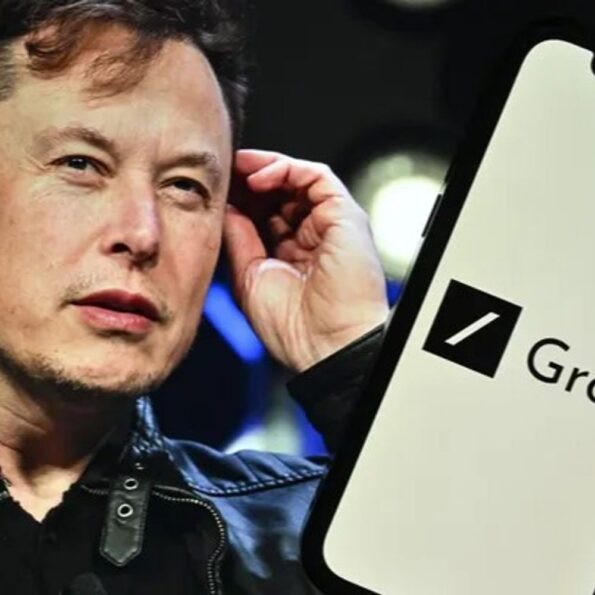
Can an AI chatbot really predict war? That’s the question many people began asking after social media posts claimed that Grok, the AI built by xAI, correctly guessed the exact date of coordinated US-Israel strikes on Iran.
The claim quickly went viral, with screenshots spreading widely on X and other platforms. But when you look closely, the story is less dramatic and far more interesting. How the ‘prediction’ started The claim traces back to a report by The Jerusalem Post. On February 25, the publication conducted a simple experiment. Four major AI chatbots were given the same prompt: pick a specific day when a hypothetical United States strike on Iran might take place. The AI models included: The idea wasn’t to forecast real military action. It was simply to see how different AI systems respond when pushed to give a firm answer in a speculative situation.
Grok’s answer stood out Among the four systems, Grok gave the most direct response. It chose Saturday, February 28, and even explained its reasoning, mentioning diplomatic tensions and ongoing negotiations as possible triggers. When asked again, Grok repeated the same date. It also noted that certain developments could shift the timeline into early March. The other AI systems gave broader timeframes or appeared more cautious in their answers. Then, on February 28, reports emerged that US and Israeli forces had carried out coordinated strikes on Iranian military infrastructure. That’s when screenshots of Grok’s earlier answer began circulating online. Also read: NASA’s plan to make oxygen on the moon, space agency successfully tests solar-powered system to extract oxygen from lunar soil
Why social media ran with it Once the date matched real-world events, many users interpreted it as proof that Grok had somehow predicted the strike in advance. Posts comparing Grok’s answer with news headlines spread rapidly, especially on X. For many, it looked like artificial intelligence had accurately forecasted a major geopolitical event. But experts pointed out something important: the chatbot was responding to a hypothetical question. It didn’t have access to secret military plans. The date it mentioned was already part of public discussions around rising tensions and diplomatic breakdowns. In other words, it was an educated guess based on publicly available information, not insider knowledge. Elon Musk reacts The viral conversation caught the attention of Elon Musk, founder of xAI and owner of X. Reacting to the buzz, Musk wrote: Prediction of the future is the best measure of intelligence. In another post, he added: The highest usage of X ever. His comment came after Nikita Bier, Head of Product at X, claimed that February 28 had been the platform’s biggest day in terms of usage. Musk did not suggest that Grok had access to classified information. Nor did he claim the chatbot had actual foresight. His brief reaction, however, added fuel to the online discussion. Also read: Anthropic AI used in attack on Iran:Helped identify targets; this tool also played a role in capturing the Venezuelan president
So, did Grok really predict it? The short answer: no, not in the way many online posts suggest. Grok participated in a media experiment where AI models were asked to choose a date in a hypothetical scenario.
Its answer happened to match the date when real-world events unfolded. That coincidence sparked viral speculation. The episode highlights two things: The bigger conversation now isn’t about whether AI can see the future, but about how easily online claims can blur the line between coincidence and prediction. And in the age of viral screenshots, that may be the real story.