
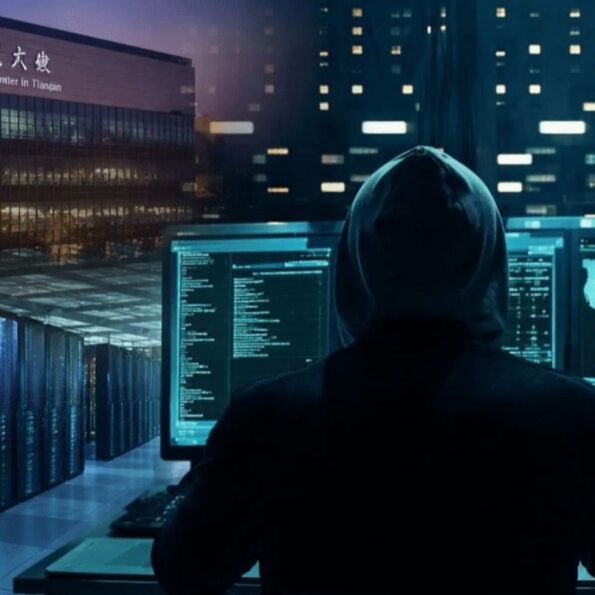
A hacker group claims to have stolen an enormous collection of sensitive information from a major Chinese government supercomputing facility. If true, experts say this could be one of the largest data breaches ever reported in China. The leaked material is believed to include defense research, missile designs, and other highly confidential technical files. What was reportedly stolen? According to cybersecurity researchers, the dataset may contain more than 10 petabytes of data. To understand the scale, one petabyte equals 1,000 terabytes, while most high-end laptops store only about 1 terabyte. Experts believe the data came from the National Supercomputing Center (NSCC) in Tianjin, a powerful computing hub that supports more than 6,000 organizations across China. These include research institutes, aerospace developers, and defense-related agencies. The hacker group, calling itself FlamingChina, shared a small sample of the alleged data on Telegram on February 6. They claimed it includes research in areas such as: The group also said the files were connected to major institutions like aircraft manufacturers and defense universities. Experts say the leak appears real Although the full claims cannot be independently verified, several cybersecurity specialists who reviewed the sample files believe they look authentic. Some of the documents were reportedly marked “secret” in Chinese. Others included technical simulations and visual designs of bombs, missiles, and defense equipment. Cybersecurity consultant Dakota Cary noted that the variety of files matched what experts would expect from a national supercomputing center. According to him, such centers handle extremely complex computing tasks for many organizations that cannot maintain their own supercomputers. This explains why the leaked dataset appears so wide-ranging. Why the data could be valuable The Tianjin facility, opened in 2009, was China’s first national supercomputing center. Similar centers now operate in cities like Guangzhou, Shenzhen, and Chengdu. Cybersecurity researcher Marc Hofer believes the size and importance of the dataset could make it highly attractive to intelligence agencies worldwide. However, he also pointed out that only governments or large intelligence organizations would likely have the resources needed to analyze such a massive amount of data effectively. Interestingly, some experts suggest that certain governments interested in the leak may already possess parts of this information through other intelligence channels. How the hacker claims the attack happened The person behind the breach reportedly told researchers they gained access through a compromised VPN domain linked to the Tianjin supercomputer network. After entering the system, the attacker allegedly used a botnet a network of automated programs to collect and download the data over several months. Extracting the full dataset reportedly took around six months. Experts say this method helped avoid detection. Instead of transferring all the data at once, the hacker reportedly split the downloads across multiple servers. Smaller transfers are harder for security teams to notice than a single large data movement. Interestingly, specialists say the technique itself was not especially advanced. The success of the breach may have depended more on system design weaknesses than technical brilliance. Hackers are already trying to sell the data Reports suggest the attackers are offering preview samples of the dataset for a few thousand dollars, while full access is priced at hundreds of thousands of dollars. Payments are reportedly requested in cryptocurrency. Although the claims have not been officially confirmed, several cybersecurity experts who reviewed the leaked material believe the dataset appears genuine. If verified, this incident could become one of the largest cyber data theft cases involving a national research infrastructure in recent history.