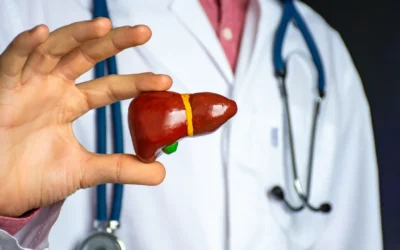

While liver conditions like jaundice, hepatitis, and liver infections have long been recognised health concerns, Mumbai doctors are now seeing a sharp rise in fatty liver disease among young adults. The disease was once considered a condition linked mainly to obesity and older age but is now increasingly affecting people are between the age group of 20-35 years.
Experts warn that beyond weight gain, factors such as chronic stress, poor sleep, unhealthy eating habits, and sedentary lifestyles are silently contributing to this growing trend. World Liver Day is observed on April 19 every year, and they take the opportunity to not only remind but also emphasise on the importance of timely screening, regular health check-ups, and simple lifestyle changes like a balanced diet, physical activity, and adequate sleep to prevent long-term liver damage.
Fatty liver disease occurs when excess fat builds up in the liver, affecting its normal function. In many cases, it may not cause noticeable symptoms in the early stages, which is why it often goes undetected. However, some people may experience fatigue, mild abdominal discomfort, or unexplained weight changes.
Dr Chetan Kalal, assistant director – Hepatology, Gleneagles Hospital, Parel explains, “Currently, there is a surge in cases of fatty liver in young adults aged 20s-35s, who are not necessarily obese, which is concerning. Over the past three to five years, nearly 30–40 per cent of my fatty liver patients are now in the 20–35 age group, many of whom are not obese. Hidden factors like chronic stress, irregular sleep cycles, long working hours, and lack of physical activity are playing a major role in the rise of fatty liver cases.”
He adds, “Many young adults are unaware that these lifestyle patterns can directly impact liver health and compromise the person’s overall well-being. If left untreated, fatty liver can progress to more serious conditions such as liver inflammation, fibrosis, cirrhosis, and even liver failure over time. The condition often remains silent until it progresses, which is why early screening and awareness are extremely important. Timely diagnosis through simple blood tests and imaging can help detect fatty liver at an early stage and prevent complications.”
Dr Chetan further highlights, “In most cases, the condition is reversible if identified early. Treatment mainly focuses on lifestyle modification, including a balanced diet, regular exercise, stress management, and improving sleep quality. Avoiding processed foods and limiting sugar intake can improve liver health. Preventive care and consistent follow-up are key to ensuring long-term recovery and reducing the risk of advanced liver disease.”
Obesity has long been recognised as a major risk factor for fatty liver, as excess body fat accumulation leads to inflammation of the liver. This is now known as Metabolic Dysfunction Associated Steatotic Liver Disease (MASLD). The other risk factors for MASLD include type 2 diabetes. However, we are now seeing an increasing subset of population who develop MASLD despite being lean but have atleast 2 associated metabolic risk factors.
“The risk factors for developing fatty liver are genetics, lifestyle related factors, gut microbiome dysbiosis, lipotoxicity and increased oxidative stress. This shift makes it important to look beyond weight alone and assess overall metabolic health to protect the liver. Now atleast 50 to 60 per cent of all OPD patients have fatty liver,” says Dr Aparna Govil Bhasker, consultant Bariatric, Hernia and Laparoscopic Surgeon, MetaHeal Clinic, in Mumbai.
Dr Aparna further adds, “Most often fatty liver may not present with any symptoms and is incidentally diagnosed on a sonography. Symptoms may be nonspecific and include mild fatigue, loss of appetite, feeling of fullness or heaviness in the upper abdomen, and mild swelling or bloating.
Fatty liver is now associated with an increased risk of acquiring heart disease, kidney issues and sleep apnoea. If not addressed in time, it can progress to serious complications like inflammation, fibrosis, and cirrhosis of the liver, which may eventually require advanced interventions.
The doctors, while saying that people should not ignore fatty liver, highlight that the focus should be on a holistic approach that includes weight management where needed, along with sustainable lifestyle changes, balanced nutrition, and long-term monitoring to protect liver health.