The mid-afternoon sun at an IPL thriller or the relentless heat of a six-hour music festival is more than a test of endurance, it is a physiological siege. For most attendees, the ritual is the same: arrive, feel the parched heat, and frantically chug a litre of lukewarm bottled water.
According to internal medicine experts, you have already lost the battle. This ‘reactive drinking’ may soothe a dry throat, but it fails to penetrate the cellular level where hydration is actually needed to regulate core temperature.
To survive—and enjoy—extreme exposure, one must adopt the strategy of Volumetric Loading: a disciplined, 24-hour physiological prep that builds the body’s water reserves before the first drop of sweat even forms. Internal medicine health experts break down the science of the slow-drip method and why your hydration clock starts exactly 24 hours before sun exposure.
The fallacy of chugging: Why timing is everything
The human body is not a bucket, it is a sophisticated, slow-moving filtration system. According to experts, when we chug water, we often trigger a survival mechanism rather than a hydrating one.
“Volumetric loading means slowly building fluid levels in the body over time, while chugging means drinking a large amount of water at once,” explains Dr Pooja Pillai, consultant, internal medicine at Aster CMI Hospital, Bengaluru. While the immediate sensation of drinking is satisfying, the biological reality is far less efficient.
“Sipping water over 24 hours allows the body to absorb fluids better and maintain stable blood volume and electrolyte balance. In contrast, drinking two litres quickly during an event does not give the body enough time to use the fluid effectively. The kidneys respond by removing the excess water through urine to maintain balance. This rapid-flush effect means that the very water you drink to save yourself is often expelled within minutes, leaving your cells just as parched as they were before,” she adds.
The cellular delay: The 120-minute gap
One of the greatest dangers in heat exposure is the cellular delay. “There is a significant lag between the moment water hits your tongue and the moment it begins cooling your internal organs. While the brain registers quench signals almost instantly, the actual movement of water into the bloodstream and then into tissues takes more time,” Dr Pillai shares.
She notes that water must travel through a multi-stage transit system which takes time:
1. Stomach to bloodstream: Water usually leaves the stomach within 5 to 20 minutes, depending on factors like body state and temperature. It then gets absorbed in the small intestine and enters the blood.
2. Bloodstream to tissues: It takes about 20 to 40 minutes to start reaching interstitial fluid and body cells.
3. Full cellular hydration: Full hydration at the cellular level can take up to 1 to 2 hours.
“This delay shows why steady sipping is more effective than drinking large amounts at once. If you wait until you feel thirsty to drink, your cells are living two hours in the past, struggling to function on a deficit you can`t immediately bridge,” Dr Pillai warns.
Beyond water: The electrolyte mandate
The goal of hydration isn`t just water consumption; it is osmotic balance. “From an internal medicine viewpoint, hydration is not just about drinking fluid; it’s also about keeping a proper fluid-electrolyte balance,” says Dr Aniket Mule, consultant internal medicine at KIMS Hospitals, Thane. He warns that in high-heat environments, plain water can actually become a liability.
“The body loses important electrolytes, mainly sodium, and some potassium and magnesium, through sweat. If someone only replaces water without these electrolytes, it can dilute sodium levels in the blood and hinder the body’s ability to hold onto fluids,” explains Dr Mule.
To prepare your reserves in the 24 hours leading up to an event, Mule suggests moving beyond plain water. Simple additions—salt in lemon water, buttermilk, or potassium-rich foods—act as anchors that help the body retain the water you consume. “Without these minerals, your body simply cannot maintain the balanced osmotic level required to keep fluids inside the cells rather than expelling them,” he highlights.
The slow-drip protocol
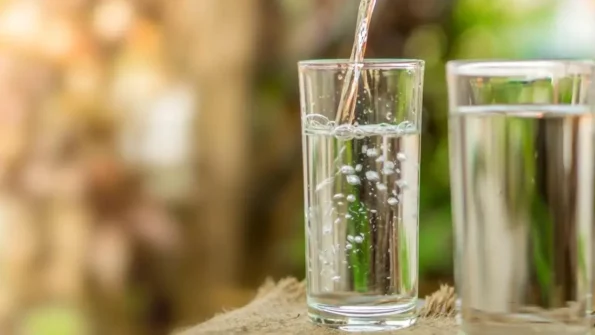
If the goal is to load the body without overloading the kidneys, the slow-drip method is the gold standard.
“Taking small sips is more effective, as it mimics the body`s natural absorption rate in the gastrointestinal tract,” advises Dr Mule. He recommends a specific cadence for the 24-hour prep period: drink 150 to 250 ml every 30 to 45 minutes. This disciplined approach supports plasma volume without overwhelming the system.
“Conversely, over-correcting by drinking too much too fast can lead to hyponatremia—a dangerous dilution of blood sodium that manifests as nausea, headaches, or even more severe neurological distress,” the Mumbai-based expert warns.
Navigating the hydration thieves: Caffeine and alcohol
Most social events—festivals, sports matches, brunches—are fuelled by caffeine and alcohol. Both are hydration thieves that actively work against your 24-hour preparation.
Dr Mule explains, “Caffeine and alcohol both affect hydration due to their diuretic effects, though to different degrees. Alcohol has a stronger effect because it inhibits the antidiuretic hormone (ADH), which increases urine output and speeds up fluid loss. In hot settings, this effect becomes even stronger and can lead to dehydration, dizziness, or even heat-related illnesses. Caffeine, in moderate amounts, has a lighter effect but can still cause fluid issues if consumed too much or without enough water.”
To combat this, Dr Mule suggests a strict recovery ratio:
1. For caffeine: Drink 250–300 ml of water for every serving.
2. For alcohol: Drink 400–600 ml of water for every drink.
Spacing out drinks and not consuming them back-to-back helps reduce stress on the body. “People with conditions like high blood pressure, kidney disease, or diabetes should be especially careful since their fluid-regulating mechanisms might already be weakened,” the expert cautions.
The morning-of test: Reading the signs
How do you know if your 24-hour water consumption was successful? The answer lies in your first trip to the bathroom on the day of the event.
A “full tank” hydration level is best indicated by a light yellow colour with normal volume. It should not have a strong smell or cause discomfort while passing. Checking this 24 hours before the event helps a person adjust fluid intake early and maintain proper hydration levels for heat exposure.
“The first morning urine is a simple way to check hydration before a big event,” says Pillai.
She describes the full tank profile:
1. Ideal: Pale yellow or straw-coloured, which shows that the body is well hydrated.
2. Dehydrated: Dark yellow or amber, usually means the body is dehydrated and needs more fluids.
3. Overhydrated: Completely clear, may indicate you are diluting your electrolytes with overconsumption.
Beyond the colour, Se Pillai elaborates, “A full tank hydration level is best indicated by a normal volume, no strong smell, and no discomfort during passing.”
Identifying the subtle warnings
Thirst is a late-stage alarm. By the time your brain tells you to find a water fountain, your baseline hydration is already critically low. Most people ignore the soft signs of heat stress, attributing them to boredom or the crowd.
Dr Pillai identifies the early cognitive indicators that suggest you are failing to maintain your baseline:
1. Mental: Reduced focus, slower thinking, or difficulty concentrating.
2. Physical: A mild headache, a feeling of heaviness, dry mouth, dry or sticky lips can be early indicators.
3. Energy: Slight fatigue or weakness even without much physical activity.
These subtle signs suggest the body already needs fluids, especially before long hours in the sun.
The holistic defence
Hydration is the internal defence, but it must be paired with external tactics to keep the core temperature stable. Dr Mule outlines five ways to help maintain a safe core temperature:
1. Cooling pulse points: Applying cold compresses to the neck, wrists, and groin helps cool down since those areas have a lot of blood flow.
2. Appropriate clothing: Wearing loose, breathable fabrics helps the body lose heat and prevents sweat retention.
3. Scheduled cooling breaks: Taking regular breaks in shaded or air-conditioned areas cuts down on heat exposure.
4. Evaporative cooling aids: Using mist sprays or damp cloths helps cool the body through evaporation.
5. Activity modulation: Lowering physical activity during the hottest parts of the day reduces internal heat production.
These methods work together with hydration to help prevent heat exhaustion and other heat-related problems.
A medical blueprint for summer
The consensus from internal medicine is clear: Hydration is not an act; it is a process.
“Staying ahead in hydration is much better than trying to catch up later. People should start hydrating at least 24 hours before exposure, keep a balance of fluids and electrolytes, and steer clear of too many diuretic drinks,” concludes Dr Mule.
Dr Pillai echoes this systematic sentiment, saying, “Hydration should be seen as an organised and ongoing process of maintaining electrolyte balance and managing your environment to keep the body stable and prevent complications.”