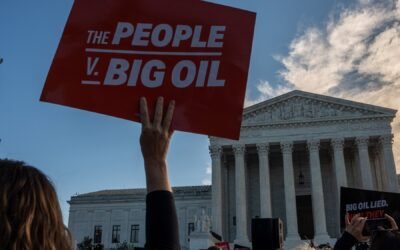
The air quality crisis is becoming an urgent issue globally, driven by pollution, climate change, and urbanization. Poor air quality poses serious health risks and can adversely affect overall well-being. Here, we’ll explore the factors contributing to the air quality crisis and provide essential tips on how to protect yourself and your loved ones.
Understanding Air Quality
Air quality refers to the condition of the air within our environment, influenced by pollutants like particulate matter (PM), nitrogen oxides (NOx), sulfur dioxide (SO2), carbon monoxide (CO), and volatile organic compounds (VOCs). The World Health Organization (WHO) states that poor air quality is responsible for about 7 million premature deaths each year.
Major Contributors to Air Pollution
- Industrial Emissions: Factories release toxins into the atmosphere, significantly degrading air quality.
- Vehicle Exhaust: Transportation is a leading source of air pollutants in urban areas.
- Agricultural Practices: Pesticides and fertilizers contribute to atmospheric pollution.
- Burning of Fossil Fuels: Energy production from coal, oil, and natural gas releases harmful gases.
- Wildfires: Increasingly frequent and intense wildfires add significant levels of pollutants into the air.
Health Impacts of Poor Air Quality
Exposure to pollutants can lead to various health issues, including:
- Respiratory problems, such as asthma and chronic obstructive pulmonary disease (COPD)
- Cardiovascular diseases, including heart attacks and strokes
- Neurological effects, increasing the risk of cognitive decline
- Adverse pregnancy outcomes, such as low birth weight
- Premature death, especially among vulnerable populations like the elderly and children
How to Protect Yourself
Staying informed and taking proactive measures can help protect you and your family from the impacts of poor air quality. Here are some essential tips:
- Check Air Quality Index (AQI): Regularly monitor your local AQI through apps or websites to stay informed about air quality levels.
- Limit Outdoor Activities: On days when air quality is poor, reduce outdoor exercise and activities, especially strenuous ones.
- Create Clean Indoor Air: Use air purifiers, keep your windows closed, and avoid smoking indoors.
- Use Masks: Consider wearing masks designed to filter out pollutants when air quality is low.
- Advocate for Policy Changes: Support local and national initiatives aimed at reducing air pollution, such as clean energy policies.
Conclusion
The air quality crisis is a pressing issue that impacts everyone. By understanding the causes and effects of air pollution, and by taking proactive steps to protect yourself, you can help mitigate the risks associated with poor air quality. Remember, your health is in your hands, and together, we can advocate for cleaner air for future generations.