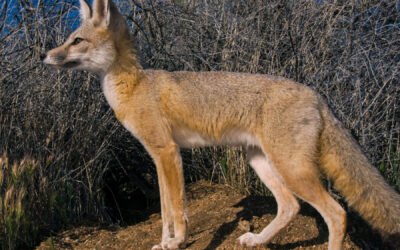
Biodiversity, the variety of life in all its forms, is essential for the stability and resilience of ecosystems. However, it is facing unprecedented threats due to human activities, and forests play a critical role in sustaining this biodiversity. Forest conservation emerges as a key strategy in protecting our planet’s flora and fauna.
The Importance of Biodiversity
Biodiversity encompasses the different species of plants, animals, fungi, and microorganisms, as well as their interactions. Healthy ecosystems provide numerous services:
- Air and Water Quality: Forests filter pollutants, improving air and water quality.
- Climate Regulation: Trees absorb carbon dioxide, helping mitigate climate change.
- Soil Health: Diverse plant roots stabilize soil and prevent erosion.
- Habitat: Forests are home to over 80% of terrestrial species.
Threats to Biodiversity
Human-induced challenges are leading to the rapid decline of biodiversity, particularly in forest ecosystems:
- Deforestation: Logging, agriculture, and urban development lead to habitat loss.
- Climate Change: Altered weather patterns affect species distribution and survival.
- Pollution: Contaminants can lead to diminished species health and die-offs.
- Invasive Species: Non-native species can outcompete and disrupt local flora and fauna.
Forest Conservation Strategies
To combat the loss of biodiversity, a variety of forest conservation strategies can be implemented:
- Protected Areas: Establishing national parks and reserves can shield vital habitats.
- Sustainable Forestry: Practices that ensure forests can regenerate and remain healthy.
- Restoration Projects: Rehabilitating degraded lands to restore ecosystems.
- Community Engagement: Involving local communities in conservation efforts to promote sustainable practices.
Conclusion
Preserving biodiversity is not just an environmental issue; it is a moral and social imperative. Through concerted efforts in forest conservation, we can protect the delicate balance of our ecosystems and ensure a sustainable future for all life forms on Earth. Each action counts, and everyone can contribute to the conservation of our planet’s rich biodiversity.