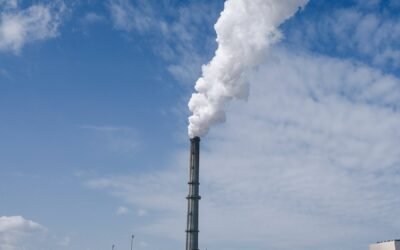
Climate change is one of the most pressing challenges of our time, and understanding its root causes is essential for effective solutions. At the center of this crisis are carbon emissions, primarily in the form of carbon dioxide (CO₂), which result largely from human activities.
What are Carbon Emissions?
Carbon emissions refer to the release of carbon compounds, predominantly CO₂, into the atmosphere. These emissions stem from various sources including:
- Fossil fuel combustion for energy
- Transportation (cars, planes, etc.)
- Industrial processes
- Agriculture and land-use changes
The Role of Carbon Dioxide in the Greenhouse Effect
CO₂ is a significant greenhouse gas, meaning it traps heat in the Earth’s atmosphere. While this greenhouse effect is vital for maintaining a habitable climate, excessive CO₂ levels from human activities enhance this effect, leading to global warming.
Consequences of Elevated Carbon Emissions
Rising levels of carbon emissions contribute to several detrimental impacts on our planet, including:
- Increased Global Temperatures: Continuous rise in carbon emissions correlates with higher average global temperatures.
- Melting Polar Ice and Rising Sea Levels: Warmer temperatures lead to melting ice caps, contributing to rising sea levels that threaten coastal communities.
- Extreme Weather Events: Increased intensity and frequency of hurricanes, wildfires, and droughts are linked to changing climate patterns.
- Loss of Biodiversity: Many species struggle to adapt to rapid climate changes, leading to extinction and loss of biodiversity.
Mitigating Carbon Emissions
Tackling climate change requires urgent action to reduce carbon emissions. Key strategies include:
- Transitioning to Renewable Energy: Investing in solar, wind, and hydroelectric power can significantly lower carbon footprints.
- Enhancing Energy Efficiency: Implementing energy-saving technologies in homes, industries, and transportation can reduce emissions.
- Promoting Sustainable Agriculture: Practices such as crop rotation and reduced fertilizer use can decrease agricultural emissions.
- Carbon Capture and Storage: Developing technologies that capture and store CO₂ can help mitigate some emissions.
Conclusion
Understanding the breakdown of carbon emissions and their far-reaching implications on climate change is essential for developing informed policies and practices. By taking action today, we can work towards a more sustainable and resilient planet for future generations.