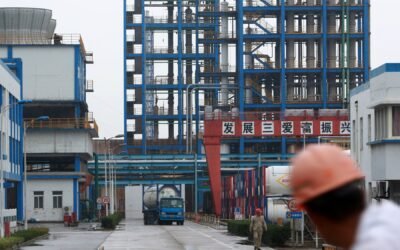
In recent years, air quality has become a critical issue affecting public health and the environment. As pollution from factories, vehicles, and various forms of industrial activity continues to rise, grassroots movements are stepping up to combat this pressing problem. These community-led initiatives emphasize the power of collective action in making air safer to breathe for everyone.
The Rise of Grassroots Movements
Grassroots movements have surged in popularity, driven by a combination of environmental awareness and community advocacy. They often begin with local individuals who are affected by air pollution, forming groups that rally to raise awareness, influence policy, and initiate change. Examples of such movements include the Air Quality Awareness Coalition and the Breathing City Initiative. These organizations serve as vital platforms for educating communities and lobbying for stronger air-quality regulations.
Community Engagement
Community engagement is a cornerstone of these movements. Many grassroots organizations host workshops, community meetings, and local events to inform residents about the impacts of air pollution. They often collaborate with schools, local businesses, and environmental experts to create educational content and support advocacy efforts. Through these efforts, individuals learn how they can contribute to cleaner air and the overall well-being of their communities.
Innovative Solutions on the Ground
Grassroots movements also advocate for innovative solutions that communities can implement. This includes promoting urban green spaces, installing air filtration systems in buildings, and encouraging the use of public transportation. For instance, programs such as “Green Streets” promote the planting of trees and vegetation in urban areas to combat pollution and enhance air quality.
Policy Change and Advocacy
Beyond local initiatives, these movements often push for larger systemic changes by lobbying for new laws and regulations at municipal and state levels. They organize letter-writing campaigns, petitions, and protests aimed at policymakers. Their tireless advocacy has led to significant changes, such as stricter emission standards and more investment in renewable energy sources. For instance, cities like Los Angeles and New York have recognized the importance of these movements in shaping their air quality policies.
Success Stories
There are numerous success stories highlighting the impact of grassroots activism on air quality. One notable achievement comes from the Clean Air Coalition of Western New York, which has successfully pushed for a reduction in emissions from local industrial sources, resulting in improved air quality and public health outcomes.
Get Involved
If you’re interested in supporting air quality initiatives in your community, there are several ways to get involved:
- Join local grassroots organizations focused on environmental issues.
- Participate in community clean-up events.
- Advocate for policy change by contacting your representatives.
- Educate yourself and others about the sources and effects of air pollution.
Conclusion
Grassroots movements are crucial in the fight for cleaner air. As citizens unite to advocate for their right to breathe clean air, they not only improve their own health but also inspire others to take action. Through community engagement, innovative solutions, and persistent advocacy, these organizations are making significant strides towards healthier environments for future generations.