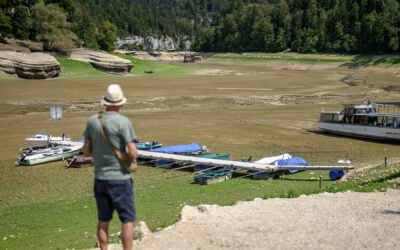
The Importance of Clean Water
Access to clean water is a fundamental human right and essential for health, sanitation, and economic development. Yet, millions of people worldwide still lack the means to secure safe drinking water. This article explores the barriers to access and highlights initiatives aimed at overcoming these challenges.
Barriers to Accessing Clean Water
1. Geographic Barriers
In many rural and remote areas, the distance to water sources can be significant. Infrastructure such as pipelines and treatment facilities may be lacking, forcing families to rely on unsafe water sources.
2. Economic Constraints
The cost of accessing clean water can be prohibitively high for many low-income families, with some spending a substantial portion of their income on water, thus diverting funds from other essential needs.
3. Political and Social Issues
Corruption and poor governance can impede the development of water resources. In conflict zones, access to clean water can become a critical struggle, leaving populations vulnerable and underserved.
Global Initiatives for Change
To address these barriers, various organizations and governments are implementing initiatives aimed at improving access to clean water:
1. Community-Based Water Projects
Local initiatives that empower communities to manage their own water resources have proven effective. For example, programs that educate communities on sustainable water management help ensure long-term access to clean water.
2. Investment in Infrastructure
Governments and international organizations are increasingly investing in infrastructure to facilitate water treatment and distribution. Projects that enhance pipeline systems or develop new water purification technologies are critical in underserved areas.
3. Advocacy and Awareness
Campaigns aimed at raising awareness about the global water crisis are essential. Advocacy efforts help to bring attention to the issue, mobilizing support for necessary policy changes and funding.
How You Can Help
Individuals can make a difference by supporting organizations dedicated to improving water access. Consider donating to or volunteering with groups that focus on creating lasting change in communities lacking clean water. Additionally, educating others about the importance of clean water can help spur action and support.