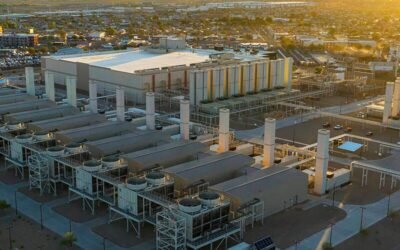
The Challenge of Industrial Pollution
Industrial pollution has long been a significant threat to our environment and public health. As industries expand and modernize, the challenge of managing waste emissions, toxic byproducts, and resource depletion becomes more pressing. Traditional methods of pollution control, while useful, often fall short of addressing the complexities and scale of the problems at hand.
<section>

    <h2>Innovative Solutions on the Horizon</h2>

    <p>In response to these challenges, researchers, engineers, and entrepreneurs are developing innovative solutions that aim to clean up our act. Here are some of the most promising technologies and strategies:</p>

    <ul>

        <li><strong>Bioremediation:</strong> This natural process uses microorganisms to break down pollutants in soil and water, making it a cost-effective and environmentally friendly solution.</li>

        <li><strong>Carbon Capture and Storage (CCS):</strong> By capturing carbon dioxide emissions at their source and storing them underground, industries can significantly reduce their greenhouse gas footprints.</li>

        <li><strong>Zero-Waste Initiatives:</strong> Many companies are adopting zero-waste practices to minimize waste generation and encourage recycling and repurposing throughout their operations.</li>

        <li><strong>Smart Manufacturing:</strong> The integration of IoT devices and AI into manufacturing processes enables real-time monitoring and optimization, greatly reducing waste and energy consumption.</li>

        <li><strong>Green Chemistry:</strong> This approach focuses on designing chemical products and processes that minimize or eliminate the use and generation of hazardous substances.</li>

    </ul>

</section>
<section>

    <h2>Policy and Community Engagement</h2>

    <p>While technology plays a crucial role in combating pollution, supportive policies and community engagement are equally important. Governments are increasingly implementing regulations that require industries to adopt cleaner practices. Furthermore, community advocacy can drive awareness and support for sustainable practices within local businesses. </p>

</section>
<section>

    <h2>Looking Ahead</h2>

    <p>The journey toward a pollution-free industrial sector is a challenging one, but with continued innovation and collaboration between industries, governments, and communities, we can pave the way for a sustainable future. Embracing these innovative solutions is not just an environmental imperative; it is an opportunity for economic growth and resilience in an era of climate change.</p>

</section>