Understanding Climate Change
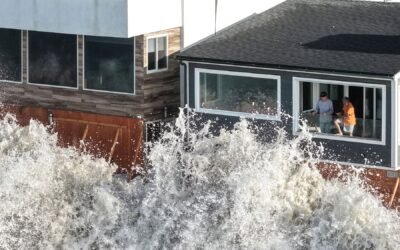
Climate change refers to long-term shifts in temperatures and weather patterns. While climate change is a natural phenomenon, human activities have significantly accelerated its pace. The burning of fossil fuels, deforestation, and industrial processes contribute to the increase in greenhouse gases in the atmosphere, leading to global warming.
The Impact of Climate Change on Wildlife
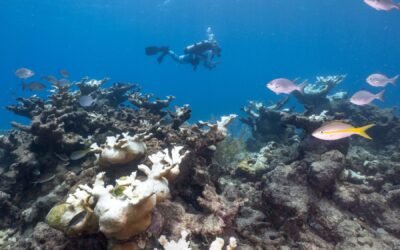
Climate change poses a serious threat to wildlife around the globe. Here are some key impacts:
- Habitat Loss: Shifts in temperature and precipitation patterns may alter or destroy natural habitats.
- Migration Patterns: Many species rely on seasonal migration; climate change can disrupt these patterns, leading to population declines.
- Food Sources: Changes in climate can affect the availability of food for various species, resulting in malnutrition and starvation.
- Increased Competition: As some species move to new areas, they may compete with native species for resources, leading to further declines.
- Reproductive Challenges: Altered climates can affect breeding seasons and success rates, jeopardizing species survival.
What We Can Do to Help
Each of us can take steps to mitigate climate change and protect wildlife. Here are some suggestions:
- Reduce Carbon Footprint: Use public transportation, carpool, or bike instead of driving. Opt for energy-efficient appliances and reduce electricity usage at home.
- Support Renewable Energy: Advocate for and invest in renewable energy sources such as solar and wind.
- Conserve Water: Implement water-saving techniques in daily life, and support conservation initiatives.
- Participate in Reforestation: Get involved in local tree-planting initiatives and support sustainable forestry practices.
- Educate Others: Share information about climate change and its impacts on wildlife within your community.
The Importance of Biodiversity
Protecting wildlife is crucial not just for the species themselves but for the overall health of our planet. Biodiversity contributes to ecosystem services, including clean air and water, pollination, and climate regulation.
Conclusion
Climate change is one of the most pressing issues facing wildlife today. By taking action in our daily lives, we can help combat its impacts and preserve the beauty of nature for generations to come. Every small effort counts, and together, we can make a significant difference.
For more resources and information, visit National Wildlife Federation or World Wildlife Fund.