Introduction
The climate crisis is one of the most pressing issues facing humanity today. Global warming, primarily driven by human activities, poses severe risks to our environment, health, and way of life. This article will provide a comprehensive overview of the causes and impacts of global warming, as well as potential solutions.
What is Global Warming?
Global warming refers to the long-term increase in Earth’s average surface temperature due to human-caused emissions of greenhouse gases. These gases, including carbon dioxide (CO2) and methane (CH4), trap heat in the atmosphere, leading to various environmental changes.
Causes of Global Warming
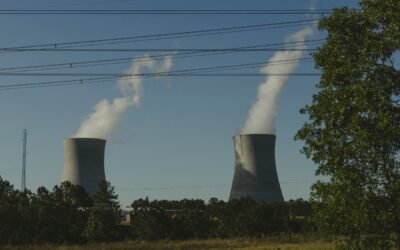
- Fossil Fuels: The burning of coal, oil, and natural gas for energy is the largest source of greenhouse gas emissions.
- Deforestation: Cutting down forests reduces the number of trees that can absorb CO2, exacerbating the issue.
- Agriculture: Agricultural practices, including livestock farming, contribute significantly to methane emissions.
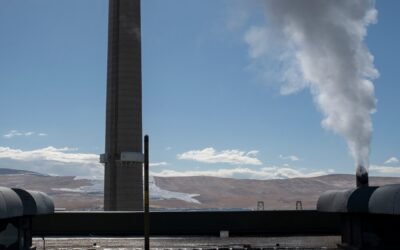
- Industrial Processes: Certain industrial activities release greenhouse gases directly into the atmosphere.
Impacts of Global Warming
The effects of global warming are already being felt across the globe, including:
- Extreme Weather: Increases in the frequency and intensity of hurricanes, floods, droughts, and heatwaves.
- Melting Ice Caps: The polar ice sheets and glaciers are melting rapidly, contributing to rising sea levels.
- Ocean Acidification: Increased CO2 levels are causing oceans to become more acidic, affecting marine life.
- Threats to Biodiversity: Many species are at risk of extinction as their habitats change or disappear.
Solutions to the Climate Crisis
While the challenge is significant, there are numerous ways to combat global warming:
- Transition to Renewable Energy: Investing in solar, wind, and other renewable energy sources can reduce reliance on fossil fuels.
- Energy Efficiency: Improving energy efficiency in homes, buildings, and transportation systems can significantly lower emissions.
- Reforestation: Planting trees and protecting existing forests will help absorb more CO2 from the atmosphere.
- Promoting Sustainable Practices: Encouraging sustainable agriculture and farming methods can reduce methane emissions.
Conclusion
The climate crisis poses a serious threat to our planet, but action can be taken to mitigate its impact. It requires collective effort from individuals, governments, and corporations worldwide to transition towards a more sustainable and resilient future. Understanding the challenges and solutions related to global warming is the first step in addressing this crisis.