Introduction
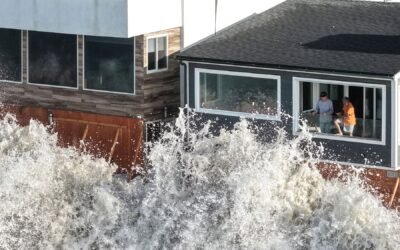
As global temperatures rise, melting ice caps and thermal expansion are leading to rising sea levels, threatening coastal communities around the world. From tiny island nations to bustling metropolitan areas, the impact of climate change is felt most acutely along coastlines, where water encroaches on land, infrastructure, and livelihoods.
The Threat of Rising Sea Levels
According to the Intergovernmental Panel on Climate Change (IPCC), sea levels could rise by more than a meter by the end of the century if current trends continue. This poses significant threats, including:
- Increased Flooding: Higher tides lead to more frequent and severe flooding, particularly during storms.
- Loss of Habitat: Many coastal ecosystems, such as wetlands and mangroves, face destruction.
- Displacement of Communities: Millions may be forced to relocate, leading to social and economic challenges.
Adapting to Change
In response to these threats, many coastal communities are exploring adaptation strategies to mitigate the impact of rising sea levels.
1. Building Resilience through Infrastructure
Strengthening infrastructure—such as sea walls, levees, and storm drains—can help protect coastal areas from flooding. Cities like New York and Miami are investing in such projects to safeguard their urban environments.
2. Nature-based Solutions
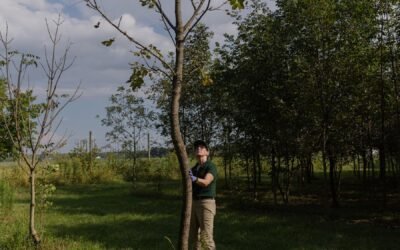
Restoring natural barriers, such as wetlands and mangroves, can provide a sustainable defense against rising waters. These ecosystems not only absorb storm surges but also offer habitats for diverse wildlife.
3. Managed Retreat
In some cases, relocating communities away from vulnerable areas is seen as a viable option. Managed retreat can be challenging but sometimes necessary to protect lives and property in the long term.
Conclusion
Coastal communities face a daunting challenge in adapting to rising sea levels. However, through innovative solutions and collaboration, it is possible to mitigate these risks and foster resilience against the ongoing impacts of climate change. The time to act is now.