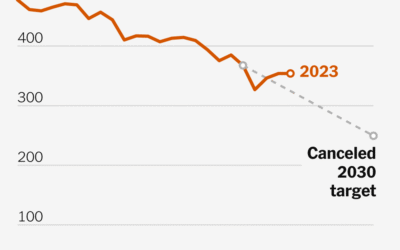
As the world increasingly confronts the realities of climate change and environmental degradation, one of the most impactful changes we can make is to switch from traditional gasoline-powered vehicles to electric vehicles (EVs). The transition to electric vehicles is not just a trend; it’s a pivotal shift that brings a multitude of benefits for individuals, society, and the planet.
1. Environmental Benefits
Electric vehicles produce zero tailpipe emissions, which significantly reduces air pollution in urban areas. By switching to EVs, we can:
- Lower greenhouse gas emissions, particularly in regions that rely on renewable energy sources.
- Improve air quality, leading to better health outcomes for communities.
- Reduce dependence on fossil fuels, promoting energy diversity and sustainability.
2. Economic Savings
While the initial cost of EVs may be higher than traditional vehicles, the overall ownership costs tend to be lower. Benefits include:
- Lower fuel costs: Electricity is generally cheaper than gasoline.
- Reduced maintenance costs: Electric vehicles have fewer moving parts and require less frequent repairs.
- Incentives and tax credits: Many governments offer financial incentives for purchasing electric vehicles.
3. Enhanced Performance
Electric vehicles offer a driving experience that is often superior to that of gasoline-powered cars. EVs can provide:
- Immediate torque and acceleration for a responsive driving experience.
- Quieter operation, resulting in reduced noise pollution.
- Advanced features such as regenerative braking, which enhances efficiency.
4. Energy Independence
Switching to electric vehicles contributes to energy independence by reducing reliance on imported oil. By investing in local renewable energy sources, we can:
- Enhance national security by reducing vulnerability to foreign oil supply disruptions.
- Create jobs in renewable energy and EV manufacturing sectors.
- Stimulate local economies through increased demand for homegrown energy solutions.
5. The Future of Transportation
The move towards electric vehicles is aligned with broader trends in technology and urban planning. As cities become smarter, we will see:
- Integrated transportation systems that include EVs, public transit, and shared mobility options.
- Increased investment in charging infrastructure, making it easier for drivers to switch.
- Continued advancements in battery technology, enhancing range and efficiency.
Conclusion
The shift to electric vehicles is not just beneficial; it’s necessary for future sustainability. By driving change and embracing electric vehicles, individuals can play a crucial role in creating a cleaner, healthier planet. The benefits – from environmental improvements to economic savings – illustrate the positive impact of making this transition today.