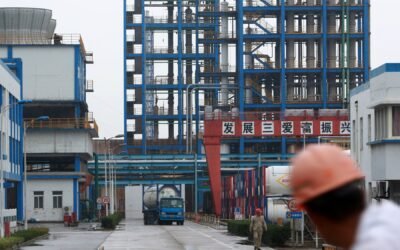
Soil pollution is an escalating crisis that poses significant risks to global ecosystems, human health, and food security. As urbanization and industrialization advance, our soils face an unprecedented threat from various pollutants. This article delves into the causes, effects, and potential solutions to soil pollution worldwide.
Understanding Soil Pollution
Soil pollution occurs when harmful substances contaminate the land, disrupting the ecosystem and affecting plant and animal life. This contamination can stem from several sources, including:
- Agricultural Activities: Overuse of pesticides, herbicides, and fertilizers leads to chemical runoff that poisons the soil.
- Industrial Waste: Factories often dispose of hazardous waste materials improperly, leading to toxic buildup in the soil.
- Urbanization: The expansion of cities results in land degradation, where construction activities and waste disposal diminish soil quality.
- Mining Activities: Extractive operations can lead to the release of heavy metals and other pollutants into the ground.
Effects of Soil Pollution
The ramifications of soil pollution extend beyond the immediate environment. Here are some key impacts:
- Health Risks: Contaminated soil can release toxins that enter the food chain, posing health risks to humans and wildlife.
- Loss of Biodiversity: Pollutants can lead to habitat destruction, reducing the variety of plant and animal species.
- Food Security Threats: Soil degradation diminishes agricultural productivity, threatening food supply and economic stability.
- Climate Change Acceleration: Polluted soils can influence carbon storage, exacerbating climate change effects.
Global Response to Soil Pollution
Addressing soil pollution requires a concerted effort from governments, industries, and individuals. Key strategies include:
- Regulations: Implementing and enforcing stricter regulations on waste disposal and the use of hazardous chemicals.
- Education: Raising awareness about the importance of soil health and sustainable agricultural practices.
- Remediation Techniques: Utilizing methods like bioremediation and phytoremediation to clean contaminated soils.
- Community Initiatives: Encouraging local communities to engage in soil restoration projects.
Conclusion
Soil pollution is a pressing issue that requires immediate action to mitigate its effects. By understanding the sources and consequences of this problem, we can work towards innovative solutions that protect our planet’s soil and ensure the health of future generations. It is vital for everyone—individuals, communities, and governments—to collaborate in safeguarding our essential natural resource: the soil.