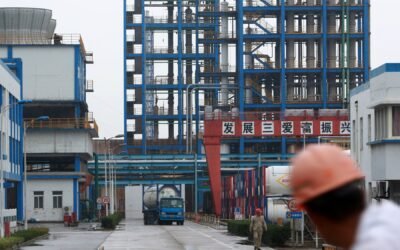
Non-renewable resources like gold, oil, and natural gas have driven economic growth and development for centuries. However, as these resources become increasingly depleted, the implications for economies worldwide are staggering.
The Historical Context of Resource Extraction
Historically, the discovery and extraction of valuable resources such as gold and oil have been catalysts for economic expansion. Wealth generated from these resources has:
- Funded infrastructures, such as roads and railways.
- Facilitated trade and commerce.
- Led to technological advancements and job creation.
For instance, the gold rushes in the 19th century contributed significantly to the growth of nations. Similarly, the oil boom in the 20th century drastically reshaped economies in countries like the United States, Saudi Arabia, and Venezuela.
The Cycle of Depletion
Despite their vast benefits, the cycle of extraction and depletion poses a challenge. As resources dwindle, the economic benefits begin to decline, leading to several critical implications:
- Increased Costs: As easily accessible resources become scarce, the costs of extraction rise, ultimately affecting market prices.
- Economic Instability: Heavy dependence on non-renewable resources can leave economies vulnerable to market fluctuations and global demand shifts.
- Shift in Employment: As industries related to these resources contract, jobs may be lost, necessitating a transition to alternative employment sectors.
Environmental Concerns
The extraction of non-renewable resources often leads to substantial environmental degradation. Oil spills, mining pollution, and deforestation can have devastating effects on ecosystems. This environmental impact generates further economic costs, including:
- Healthcare costs associated with pollution-related illnesses.
- Loss of biodiversity affecting agriculture and ecotourism.
- Natural disasters exacerbated by climate change, leading to increased economic losses.
The Transition to Renewable Resources
As the world grapples with the depletion of non-renewable resources, there is an urgent need to transition towards renewable energy sources such as solar, wind, and hydroelectric power. This transition can mitigate some of the economic implications of depletion:
- Job Creation: The renewable energy sector has the potential to create millions of new jobs in manufacturing, installation, and maintenance.
- Stability: Renewable energy sources can provide a more stable economic footing as they are less susceptible to global market fluctuations.
- Sustainability: Investing in renewables supports sustainable development, crucial for long-term economic and environmental health.
Conclusion
The economic implications of non-renewable resource depletion are profound. From the historical context of resource extraction to the contemporary challenges posed by depletion, it is clear that transitioning to renewable resources is not just beneficial but necessary for sustainable economic growth. As nations navigate this complex landscape, a focus on innovation and sustainability will be essential to mitigate the impacts of resource depletion.