Introduction
Air pollution is a pressing global issue, affecting not only the environment but also human health and quality of life. Understanding the primary sources of air pollution is crucial for developing effective strategies to combat this issue. In this article, we will explore the major contributors to air pollution, particularly focusing on industrial activities and vehicular emissions.
The Industrial Sector
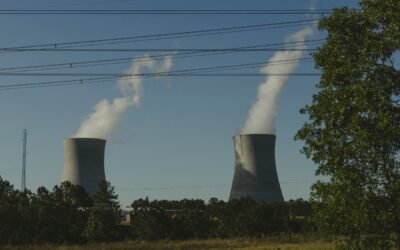
The industrial sector is one of the largest sources of air pollution. Various factories and plants release a significant amount of pollutants into the atmosphere. Key pollutants emitted by industrial sources include:
- Particulate Matter (PM): Tiny particles that can penetrate deep into the lungs.
- Volatile Organic Compounds (VOCs): Chemicals that can cause serious health issues and contribute to ozone formation.
- Nitrogen Oxides (NOx): Gases that can lead to smog and respiratory problems.
- Sulfur Dioxide (SO2): A major contributor to acid rain.
Furthermore, industries such as oil refining, chemical manufacturing, and power generation are particularly notorious for high pollutant emissions.
Vehicle Emissions
Vehicles are another significant source of air pollution. As urban areas continue to grow, the number of cars, trucks, and buses on the road increases, leading to higher emissions. The primary pollutants from vehicles include:
- Carbon Monoxide (CO): A colorless, odorless gas that can cause harmful health effects.
- Nitrogen Oxides (NOx): Contributes to the formation of ground-level ozone.
- Particulate Matter (PM): Generated from fuel combustion in engines.
Newer technologies such as electric and hybrid vehicles aim to reduce these emissions. However, the challenge remains in transitioning the existing fleet and infrastructure of traditional vehicles.
Other Significant Sources
While industrial activities and vehicles are major contributors, there are other sources of air pollution to consider:
- Agricultural Activities: Pesticides, fertilizers, and methane emissions from livestock.
- Residential Heating: Wood burning and the use of fossil fuels for heating.
- Construction and Demolition: Dust and emissions from machinery used in construction projects.
Conclusion
Addressing air pollution requires a multifaceted approach that includes regulatory measures, technological advancements, and public awareness. By understanding the major sources of air pollution—particularly from industry and vehicles—we can work towards creating healthier environments for future generations.