Introduction
Sustainable agriculture is no longer just a trend but a necessity as the world confronts the challenges of climate change, population growth, and diminishing natural resources. The goal is to create a system that not only produces food but also ensures the health of the planet for future generations. This article explores the methods and innovations shaping the future of sustainable agriculture.
The Importance of Sustainable Agriculture
With the global population expected to reach 9.7 billion by 2050, the demand for food will increase tremendously. Conventional farming methods often deplete the land and contribute to environmental degradation. Sustainable agriculture, on the other hand, aims to balance food production with environmental preservation, ensuring that farming practices do not compromise the ability of future generations to meet their needs.
Innovative Practices in Sustainable Agriculture
1. Organic Farming
Organic farming eschews synthetic pesticides and fertilizers, promoting natural methods to enhance soil fertility and pest control. This practice not only produces healthier crops but also contributes to biodiversity and soil health.
2. Permaculture
Permaculture focuses on designing agricultural systems that mimic natural ecosystems. By creating self-sustaining environments, permaculture reduces external inputs and enhances resilience against pests and diseases.
3. Agroforestry
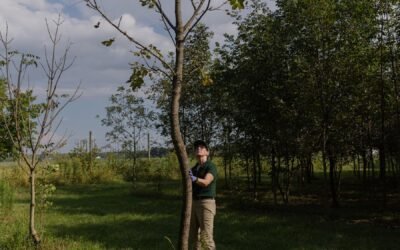
Integrating trees into agricultural landscapes, agroforestry provides multiple benefits including improved soil structure, enhanced biodiversity, and increased carbon sequestration. This approach promotes a synergistic relationship between crops and trees.
4. Precision Agriculture
Utilizing technology such as drones, sensors, and satellite imagery, precision agriculture allows farmers to monitor and manage crops more effectively. This data-driven approach helps optimize resource use, reduce waste, and minimize environmental impact.
The Role of Technology in Sustainable Agriculture
Advances in technology are crucial for the evolution of sustainable agriculture. Innovations such as vertical farming, hydroponics, and aquaponics pave the way for more efficient food production in urban areas. Moreover, blockchain technology can enhance transparency within the food supply chain, ensuring consumers can trace the origin of their food and make informed purchasing decisions.
Challenges and Solutions
Despite its benefits, sustainable agriculture faces obstacles. Limited access to resources, knowledge gaps, and resistance to change can hinder its adoption. However, education and government policies that support sustainable practices can encourage wider implementation. Collaborative efforts between farmers, scientists, and consumers are essential to drive meaningful change.
Conclusion
As we look towards the future, the adoption of sustainable agriculture practices will be vital in addressing global food security challenges. By promoting innovative methods and leveraging technology, we can work towards a greener and more sustainable agricultural system that supports both people and the planet.