Introduction
Habitat destruction and climate change are two of the most pressing environmental issues facing our planet today. The intricate relationship between these phenomena creates a dangerous feedback loop that exacerbates their effects and threatens biodiversity, ecosystem services, and human livelihoods.
What is Habitat Destruction?
Habitat destruction refers to the process by which natural habitats are rendered unable to support the species present. This can result from activities such as deforestation, urban development, and industrialization. As habitats are destroyed, the flora and fauna that depend on these ecosystems are pushed to the brink of extinction.
The Role of Climate Change
Climate change, driven primarily by greenhouse gas emissions, contributes to habitat destruction through rising temperatures, altered precipitation patterns, and extreme weather events. These changes can devastate sensitive environments, leading to further loss of biodiversity and disruption of ecological processes.
The Feedback Loop
The relationship between habitat destruction and climate change is cyclical. When habitats are destroyed, carbon stored in trees and soil is released into the atmosphere, contributing to global warming. Higher temperatures and extreme weather events then lead to further habitat destruction, creating a vicious cycle that is difficult to break.
Impact on Biodiversity
The loss of habitats directly results in the decline of species populations. As animals and plants face shrinking environments, their chances of survival diminish. This loss of biodiversity adversely impacts ecosystems, disrupting food chains and reducing resilience against environmental changes.
Impact on Human Communities
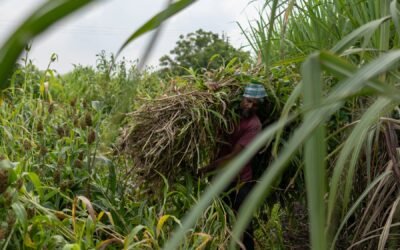
Human communities are not immune to the effects of habitat destruction and climate change. Many communities rely on natural ecosystems for their livelihoods, including agriculture, fishing, and tourism. As these ecosystems deteriorate, so do the economic and social structures built around them, leading to increased poverty and migration.
Steps Towards a Solution
Addressing the feedback loop between habitat destruction and climate change requires a multifaceted approach. Strategies could include implementing strict conservation measures, promoting sustainable land use, restoring damaged ecosystems, and investing in renewable energy sources. Global cooperation and policy changes are essential to mitigate the intertwined effects of these two crises.
Conclusion
The feedback loop between habitat destruction and climate change poses a severe threat to the planet. By understanding their relationship and taking concerted actions to protect our natural environments, we can work towards a more sustainable future. The time to act is now, for the well-being of our planet depends on it.