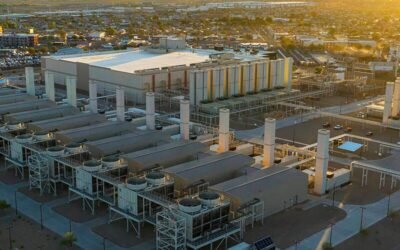
The urgency to combat climate change has compelled corporations worldwide to reassess their operational frameworks. The phrase “Innovate or Die” has never resonated more strongly as businesses grapple with the necessity to incorporate sustainable practices into their models. The shift toward clean energy solutions is not just a trend; it is a survival mechanism in a rapidly evolving economic landscape.
The Corporate Responsibility Paradigm
Corporations are recognizing their role in the climate crisis and the potential for innovation to drive change. No longer can they afford to ignore the environmental impact of their actions. Investors, customers, and regulatory bodies are increasingly advocating for a transition to sustainable energy sources, making a compelling case for corporate responsibility.
Technological Innovations Leading the Charge
Technological advancements play a crucial role in the corporate shift toward clean energy. Here are some key innovations transforming the landscape:
- Renewable Energy Technologies: Solar, wind, and hydroelectric solutions are becoming more efficient and cost-effective, pushing corporations to invest in green infrastructure.
- Energy Storage Solutions: Breakthroughs in battery technology enable businesses to store energy for use during peak times, enhancing energy reliability.
- Smart Grids: High-tech grid systems optimize electricity distribution, reducing waste and enhancing sustainability.
- Carbon Capture Technology: Innovations in capturing carbon emissions from industrial processes allow companies to mitigate their impact on the environment.
Case Studies: Leading the Charge
Several corporations are at the forefront of this clean energy revolution:
- Google: Committed to sourcing 100% renewable energy for its global operations and investing in various clean energy projects.
- Apple: Pioneering initiatives to reduce its carbon footprint, Apple aims to become carbon neutral across its entire supply chain by 2030.
- Microsoft: Committed to being carbon negative by 2030, leveraging technology and innovation to achieve this target.
The Economic Rationale
The transition towards clean energy solutions is not solely based on ethical imperatives. It’s also driven by economic factors. Companies that have embraced sustainability often see:
- Enhanced brand reputation and customer loyalty.
- Cost savings from energy efficiency measures.
- Attraction and retention of top talent who prioritize sustainability.
- Potential to tap into new markets and revenue streams focused on sustainable products and services.
Conclusion
As the pressures of climate change mount, the message is clear: innovate or die. The corporate sector is undergoing a seismic shift towards clean energy solutions. By embracing innovation, companies are not only contributing to a sustainable future but also ensuring their own survival in an increasingly competitive landscape. The road ahead will require commitment, ingenuity, and a willingness to adapt, but the rewards will be well worth the investment.