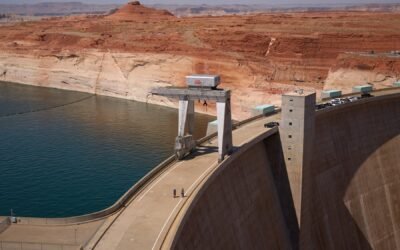
Hydropower is often referred to as “liquid gold” due to its significant economic benefits and potential for sustainable energy production. As the world shifts towards renewable energy sources, investing in hydropower not only promotes environmental sustainability but also provides a multitude of economic advantages for both investors and communities.
Key Benefits of Hydropower Investment
1. Job Creation
One of the most immediate economic benefits of investing in hydropower is the creation of jobs. From the construction of dams and infrastructure to ongoing maintenance and operation, hydropower projects require a diverse range of skills. This leads to:
- Short-term job opportunities during construction.
- Long-term employment for operational staff and maintenance teams.
- Job creation in related sectors such as engineering, environmental science, and project management.
2. Cost-Effective Energy Production
Hydropower is one of the most cost-effective forms of renewable energy. Once constructed, hydroelectric plants operate at low operational costs and provide a stable source of energy, thereby reducing electricity prices in the long term. The benefits include:
- Low maintenance costs compared to fossil fuel plants.
- Stable energy prices due to predictable rainfall and water availability.
- Potential for energy sales during peak demand, enhancing revenue streams.
3. Energy Independence
Investing in hydropower contributes to a country’s energy independence by reducing reliance on imported fossil fuels. This not only ensures a stable energy supply but also aids in:
- Buffering against global oil price fluctuations.
- Enhancing national security by diversifying energy sources.
- Supporting local economies by using local resources for energy generation.
4. Environmental Benefits
Hydropower provides significant environmental advantages when compared to traditional energy sources. Key points include:
- Reduction of greenhouse gas emissions.
- Minimal land and air pollution.
- Potential for water reservoir management, aiding in irrigation and flood control.
5. Development of Infrastructure
Investing in hydropower can lead to overall improvements in regional infrastructure. Building dams and related facilities often leads to:
- Enhanced transportation networks.
- Access to clean drinking water through reservoir systems.
- Increased tourism opportunities through recreational activities around water bodies.
The Future of Hydropower
As technology advances, the efficiency of hydropower systems continues to improve. Innovations in turbine design and plant construction are making hydropower more competitive against other renewable energy sources.
Investing in hydropower is not just an ecological imperative but a crucial economic strategy. By harnessing the potential of our rivers and streams, we can create a sustainable future that benefits both the environment and economies around the world.
Conclusion
Hydropower stands as a critical component of our transition to renewable energy. Its economic benefits — from job creation and cost-effective energy production to environmental sustainability — make it a wise investment for the future. As societies seek sustainable solutions to meet energy needs, hydropower is truly “liquid gold.”