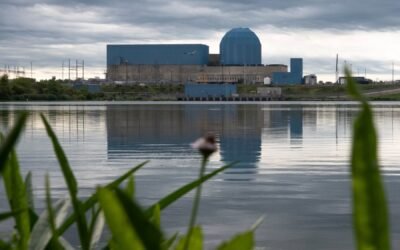
The Importance of Hydropower
Hydropower is one of the oldest and most established renewable energy sources, harnessing the energy of flowing water to generate electricity. With global energy demands increasing and the pressing need for sustainable solutions, hydropower is at the forefront of clean energy initiatives.
Climate Change Challenges
Climate change poses significant challenges for hydropower production. Altered precipitation patterns, melting glaciers, and shifting water availability can affect reservoir levels and water flow. Consequently, many hydropower plants are experiencing shifts in their operational capacity, impacting energy generation and reliability.
Adapting to New Realities
To remain viable in a changing climate, the hydropower sector is implementing various adaptation strategies:
- Improved Water Management: Enhanced forecasting mechanisms and water reservoir management techniques are crucial for optimizing hydropower generation.
- Diversification of Resources: Diversifying energy sources, integrating wind and solar, alongside hydropower, can create a more resilient energy portfolio.
- Infrastructure Upgrades: Retrofitting existing facilities and constructing new, more adaptable plants that can manage variable water flow is essential to sustain operations.
Technological Innovations
Technological advancements play a pivotal role in the evolution of hydropower:
- Smart Grids: Employing smart grids allows for real-time monitoring and improved energy distribution, enhancing overall efficiency.
- Small-Scale Hydropower: Investing in small-scale and micro-hydropower projects can provide localized solutions that reduce dependency on large facilities.
- Fish-Friendly Turbines: Innovations such as fish-friendly turbines not only ensure energy generation but also protect aquatic ecosystems, balancing energy needs with environmental protection.
The Future of Hydropower
As nations strive to meet renewable energy targets, hydropower will remain a vital component of the renewable energy landscape. Its adaptability in the face of climate change, along with innovative practices and technologies, ensures that hydropower will continue to power tomorrow’s needs sustainably.