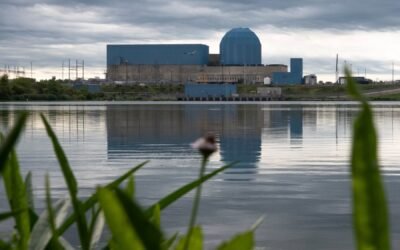
The world is witnessing a profound transformation in its energy landscape, marked by a renewed focus on renewable energy sources. As concerns over climate change, energy security, and economic sustainability grow, the shift to renewable energy is not just a trend; it is a necessity for the health of our planet and future generations.
The Current Energy Landscape
Traditionally, fossil fuels such as coal, oil, and natural gas have powered our economies. However, these non-renewable resources contribute significantly to greenhouse gas emissions, leading to global warming and environmental degradation. In contrast, renewable energy sources—such as solar, wind, hydropower, and geothermal—offer cleaner alternatives that can significantly reduce our carbon footprint.
Why the Shift Matters
1. Environmental Impact: Transitioning to renewable energy can help mitigate the adverse effects of climate change. Renewable energy produces little to no emissions during operation, which is crucial in combating global warming.
2. Energy Security: Countries that rely heavily on imported fossil fuels can enhance their energy security through local renewable resources. This diversification reduces vulnerability to price fluctuations and geopolitical tensions.
3. Economic Opportunities: The renewable energy sector is one of the fastest-growing job markets. Transitioning to renewables creates significant employment opportunities in manufacturing, installation, maintenance, and research.
Technological Advancements
Innovation is at the heart of the renewable energy renaissance. Advances in technology have made renewable energy systems more efficient and cost-effective. The price of solar panels and wind turbines has plummeted over the past decade, making renewables more competitive with fossil fuels.
Energy storage technologies, such as batteries, are also evolving, allowing for better energy management and reliability. This means that renewable energy can now be stored and used even when the sun isn’t shining, or the wind isn’t blowing.
The Role of Policy and Community Initiatives
Governments play a crucial role in promoting renewable energy through policies, incentives, and regulations. Many countries have set ambitious targets for increasing the share of renewables in their energy mix, supported by funding for research and development.
Community initiatives are also critical in the renewable energy renaissance. Local efforts, such as community solar projects and cooperatives, empower residents to take control of their energy needs while promoting sustainability at the grassroots level.
Conclusion
The renewable energy renaissance is not merely a response to the challenges of climate change and resource depletion; it is an opportunity to reinvent our energy systems and economy. By embracing renewable energy, we can create a sustainable future that respects the planet and empowers communities worldwide.
The path towards a renewable energy future is illuminated not only by the promise of technology but also by the collective actions and vision of individuals, businesses, and governments committed to making a change. Together, we can power a sustainable future.