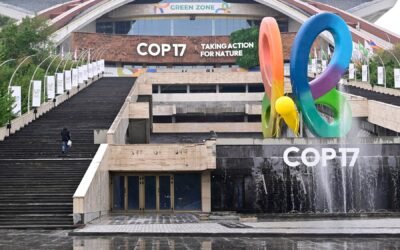
The Urgent Challenge of Climate Change
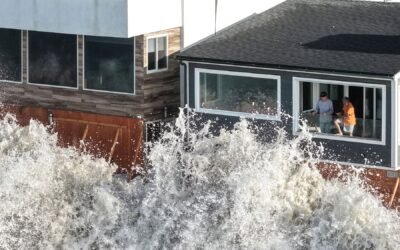
Climate change is no longer a distant threat; it is a present reality. As sea levels continue to rise due to melting ice caps and thermal expansion, communities around the world are beginning to face unprecedented challenges, from increased flooding to displacement of populations.
Innovative Approaches to Adaptation
In response to these challenges, many communities are employing innovative solutions to adapt to their changing environments. These solutions range from infrastructural reinforcements to community-led initiatives that incorporate local knowledge and customs.
1. Coastal Restoration and Natural Barriers
Many coastal areas are turning to nature-based solutions. For example, the restoration of mangroves and wetlands not only protects shorelines but also enhances biodiversity and water quality. Communities are recognizing that preserving natural ecosystems can serve as a buffer against the impacts of rising tides.
2. Community-led Initiatives
Local governments and residents are becoming increasingly involved in developing and implementing adaptation strategies. Collaborative projects led by community members often focus on sustainability, education, and preparedness, allowing communities to build resilience from within.
3. Smart Infrastructure
Investments in smart infrastructure, such as permeable sidewalks, elevated structures, and advanced drainage systems, are becoming critical. Cities like Miami and New Orleans are implementing flood control measures that integrate technology to monitor and respond to flooding in real-time.
A Global Movement
The fight against climate change is not limited to any single region; it has become a global movement. International cooperation, funding for sustainable projects, and technological sharing are essential to equip communities everywhere with the tools they need for adaptation.
Case Studies: Success Stories
1. The Netherlands
The Dutch have long been at the forefront of water management, utilizing innovative engineering solutions such as floating communities and surge barriers to protect their low-lying country from rising seas.
2. Bangladesh
In Bangladesh, where millions of people are vulnerable to flooding, community-based disaster risk reduction programs have successfully helped local populations develop their own strategies for resilience, drawing on traditional practices and modern science.
Conclusion: Hope Amidst Challenge
As rising tides threaten coastal communities worldwide, the emergence of innovative, community-driven solutions offers a glimmer of hope. By working together and investing in smart adaptation strategies, we can build a more resilient future for generations to come.