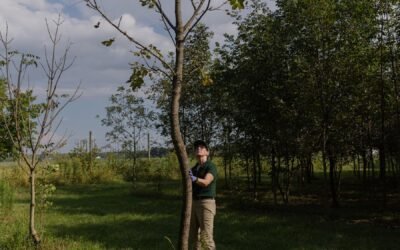
Sustainable forestry is a vital practice that seeks to balance the demand for timber and other forest products with the need for conservation and ecological integrity. As the global population continues to grow, so does the pressure on forests for timber, land, and resources.
Understanding Sustainable Forestry
Sustainable forestry involves managing forest resources in a way that meets current needs without compromising the ability of future generations to meet their own. This approach encompasses various methods and practices aimed at minimizing environmental impacts while ensuring economic viability.
Benefits of Sustainable Forestry
- Conservation of Biodiversity: Sustainable practices help preserve the diverse range of species that inhabit forests.
- Climate Change Mitigation: Forests play a crucial role in carbon sequestration, helping combat climate change.
- Economic Stability: Sustainable forestry ensures a steady supply of timber while supporting local economies and communities.
- Protection of Ecosystems: By managing forests responsibly, soil health, water quality, and overall ecosystem functions are maintained.
Practices for Sustainable Forestry
There are several practices and certifications that promote sustainable forestry, including:
- Selective Logging: Instead of clear-cutting, this method involves removing only certain trees to allow forests to regenerate naturally.
- Reduced Impact Logging (RIL): This technique minimizes damage to surrounding trees and the ecosystem.
- Agroforestry: Integrating trees and shrubs into agricultural systems to enhance productivity and ecological balance.
- Certification Programs: Initiatives like the Forest Stewardship Council (FSC) and Programme for the Endorsement of Forest Certification (PEFC) verify sustainable management practices.
Challenges to Sustainable Forestry
Despite its many benefits, sustainable forestry faces numerous challenges:
- Illegal Logging: Unregulated logging practices threaten conservation efforts.
- Climate Change: Changing climate conditions can affect forest health and species distribution.
- Economic Pressures: The immediate financial incentives often push towards unsustainable practices.
The Future of Sustainable Forestry
The future of sustainable forestry lies in strong policies, increased awareness, and community involvement. By prioritizing sustainable practices, we can ensure that forests continue to thrive alongside human needs. Collaboration among governments, industries, and organizations is essential to drive meaningful change and protect these vital ecosystems for generations to come.