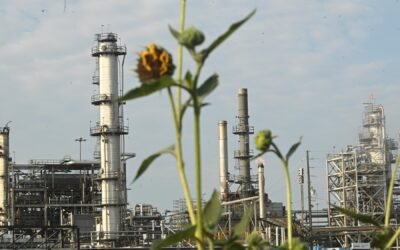
The Challenge of Climate Change
Climate change poses a significant threat to global agriculture, with rising temperatures, erratic rainfall, and increased pests affecting food production. Traditional farming methods often exacerbate these issues through soil depletion and chemical runoff. As we face these challenges, organic farming emerges as a viable sustainable solution.
What is Organic Farming?
Organic farming practices prioritize the health of the ecosystem. They utilize natural processes and cycles, relying on crop rotations, composting, and biological pest control rather than synthetic fertilizers and pesticides. This approach not only enhances soil health but also contributes to biodiversity and carbon sequestration, helping to combat climate change.
Benefits of Organic Farming in a Changing Climate
1. Enhanced Soil Health
Organic farming improves soil structure and fertility. Healthy soils retain moisture better and are less prone to erosion, making them more resilient to climate fluctuations.
2. Increased Biodiversity
Organic farms support diverse ecosystems that can adapt to changing conditions. Increased crop diversity can also lead to more resilient food systems.
3. Reduced Carbon Footprint
By avoiding synthetic fertilizers and pesticides, organic farming significantly reduces greenhouse gas emissions. Furthermore, practices such as cover cropping and agroforestry enhance carbon sequestration.
Real-World Examples
Around the world, there are numerous successful organic farming initiatives that have demonstrated their ability to thrive in a changing climate. For instance, farmers in Northern Europe have adopted regenerative practices that restore soil health while increasing crop resilience. In the U.S., organic vegetable farms are implementing water conservation techniques, making them better equipped to handle drought conditions.
Challenges Ahead
While organic farming presents numerous benefits, it is not without its challenges. Market access, certification processes, and initial investment costs can be significant hurdles for new farmers. To promote wider adoption, we must advocate for policies that support organic farming initiatives and educate consumers on the importance of sustainable agriculture.
Conclusion
In conclusion, organic farming represents a proactive approach to address the impacts of climate change. By prioritizing sustainability, we can ensure food security while protecting our planet for future generations. Embracing organic methods not only benefits the environment but also enhances the resilience of our agricultural systems in an ever-changing world.