Introduction
Water is a vital resource for agriculture and food production. However, increasing levels of water pollution threaten our food systems. As contaminants seep into waterways, they pose significant risks not only to crop yields but also to food safety for consumers.
The Sources of Water Pollution
Water pollution in agriculture arises from various sources, including:
- Runoff from agricultural lands: The use of pesticides and fertilizers can lead to harmful chemicals entering waterways.
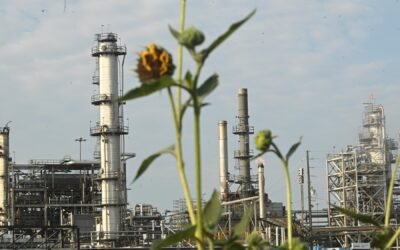
- Industrial discharges: Factories may release untreated waste that contaminates local water supplies.
- Urban runoff: Rainwater can wash pollutants from streets and parking lots into nearby rivers and lakes.
- Animal waste: Improper disposal of livestock excrement can lead to nutrient overload in water bodies.
Impact on Agriculture
The effects of water pollution on agriculture are profound. Polluted water can:
- Reduce Crop Yields: Contaminated water can stunt plant growth and decrease productivity.
- Affect Soil Quality: Water pollutants can alter soil chemistry, leading to reduced fertility.
- Limit Irrigation Options: Farmers may find it increasingly difficult to source clean water for irrigation.
Threats to Food Safety
Water pollution poses serious food safety concerns:
- Pathogens: Contaminated water can harbor bacteria, viruses, and parasites that threaten human health.
- Toxic Chemicals: Pesticides and heavy metals can accumulate in crops, introducing harmful substances to the food supply.
- Bioaccumulation: Pollutants can build up in fish and other aquatic organisms, affecting those who consume them.
Economic Consequences
The economic losses from water pollution in agriculture can be staggering:
- Increased Costs: Farmers may need to invest more in water treatment technologies and improved irrigation systems.
- Market Losses: Consumers may avoid contaminated products, leading to decreased sales.
- Health Costs: Increased rates of foodborne illnesses can strain public health systems and result in additional healthcare expenses.
Solutions and Strategies
Addressing water pollution requires a coordinated effort across multiple sectors:
- Implementing Best Practices: Farmers can adopt sustainable agricultural practices, such as crop rotation and integrated pest management.
- Regulatory Measures: Governments can enforce stricter pollution controls and regulations on industrial waste disposal.
- Community Education: Raising awareness about responsible water use and conservation can empower communities to take action.
Conclusion
The cost of neglecting water pollution is too high, impacting agriculture and food safety significantly. It is essential to recognize the interconnectedness of clean water, sustainable agriculture, and public health. By taking proactive measures to combat water pollution, we can secure a healthier future for both our food systems and our communities.