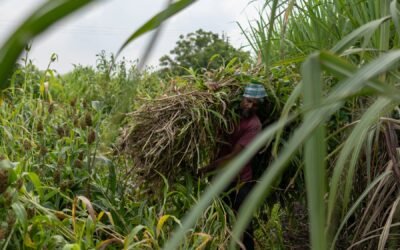
Reforestation is more than just a noble endeavor; it holds profound economic benefits that can transform communities and ecosystems alike. As we confront the challenges posed by climate change and deforestation, understanding the economic advantages of restoring our forests can incentivize action and support sustainable development.
1. Job Creation and Economic Growth
One of the most significant economic benefits of reforestation is job creation. The process of planting trees and maintaining forests generates employment opportunities in various sectors, including forestry, agriculture, and conservation. According to studies, every million dollars invested in reforestation can create over 30 jobs, supporting local communities, particularly in rural areas.
2. Enhanced Ecosystem Services
Reforested areas provide essential ecosystem services such as biodiversity conservation, water filtration, and soil stabilization. These services not only improve environmental health but also contribute to economic stability. Healthy ecosystems can increase agricultural productivity and reduce costs related to water purification and flood management.
3. Carbon Sequestration and Climate Mitigation
Forests play a crucial role in absorbing carbon dioxide, a leading greenhouse gas. By investing in reforestation, countries can enhance carbon sequestration, which is vital for meeting climate targets. The carbon credits generated through reforestation projects can be sold on international markets, providing a financial return for investment while contributing to global climate solutions.
4. Sustainable Timber and Non-Timber Products
Reforestation can support sustainable timber production and the harvesting of non-timber forest products (NTFPs) such as fruits, nuts, and medicinal plants. These products can generate significant income for local communities and promote sustainable consumption practices. By implementing responsible management practices, communities can ensure long-term economic benefits without depleting forest resources.
5. Increased Tourism Opportunities
Healthy forests attract tourists, contributing to local economies. Ecotourism has become increasingly popular, with travelers seeking immersive experiences in nature. Investments in reforestry not only enhance the beauty of landscapes but also create opportunities for tourism-related businesses, generating revenue and promoting conservation awareness.
Conclusion
Reforestation offers a multitude of economic benefits that create a win-win scenario for both nature and communities. By fostering job creation, enhancing ecosystem services, and providing sustainable resources, reforestation initiatives can drive economic growth while mitigating the impacts of climate change. Investing in our forests is an investment in our future, making it essential for policymakers, businesses, and communities to prioritize and support reforestation efforts.