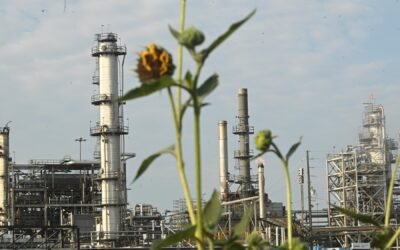
As the global conversation around climate change intensifies, the call for a transition to renewable energy sources has never been louder. Beyond environmental benefits, the economics of renewables provide compelling reasons for individuals, businesses, and governments to invest in green energy solutions.
The Decreasing Cost of Renewable Technologies
In recent years, the cost of producing energy from renewable sources, particularly solar and wind power, has plummeted. According to the International Renewable Energy Agency (IRENA), the cost of solar photovoltaics has dropped by over 80% in the last decade. These technological advancements make renewables not just an environmentally viable option, but an economically attractive one.
Job Creation and Economic Growth
Investing in green energy has proven to be a significant driver of job creation. Renewable energy sectors employ more individuals per unit of energy produced compared to fossil fuels. For instance:
- Solar energy jobs have surged, with job creation growing at an impressive rate each year.
- Wind energy projects also require substantial labor, from construction to maintenance.
The growth of these industries stimulates local economies and reduces unemployment rates.
Energy Independence and Stability
Renewable energy sources can contribute to energy independence by reducing reliance on imported fuels. Countries can harness their local resources—whether it be sunlight, wind, or hydro—to generate clean energy. This not only strengthens national security but also stabilizes energy prices over time, mitigating the volatility associated with global fossil fuel markets.
Long-term Savings and Efficiency
Investing in renewable energy technologies leads to long-term savings. Although the initial investment may be high, the operational costs of renewables are significantly lower. Maintenance costs are minimal, and, unlike fossil fuels, renewable resources are abundant and free once the infrastructure is in place. Additionally, many countries offer incentives, tax breaks, and subsidies to encourage investments in green technologies, enhancing the economic appeal.
Attracting Investment
As global energy markets evolve, investors are increasingly shifting their focus toward sustainable projects. Institutional investors, in particular, are integrating environmental, social, and governance (ESG) criteria into their decision-making processes, making green energy investments a priority.
The Cost of Inaction
Failing to invest in renewable energy can lead to severe economic repercussions. Climate change poses risks not only to the environment but also threatens economic stability through extreme weather events and resource depletion. By investing in renewable energy now, we can mitigate these risks and foster a more resilient economy.
Conclusion
The economics of renewables is clear: investing in green energy is not only beneficial for the planet but also makes sound financial sense. With declining costs, job creation, energy independence, and long-term savings, the transition towards renewable energy stands as a viable pathway to a sustainable and prosperous future.